
Bad O2 Sensor Voltage Chart
Bad O2 Sensor Voltage Chart - 3 the role of o2 sensors in fuel efficiency. One or two wire unheated oxygen sensors should be inspected or replaced every 30,000 miles. A steady voltage reading could mean that the sensor is stuck in one position, while a lack of fluctuation could mean that the sensor is not receiving. A higher voltage means there is too much fuel in the mixture. Web if the o2 sensors, catalytic converter, or fuel injectors are damaged the downstream o2 sensor voltage could be higher or lower. 7 optimizing engine performance with o2 sensor signals. Replace the oxygen sensor if the voltage: The best way to test an o2 sensor is with a lab scope, not a scan tool or dvom digital volt ohmmeter. but if you don't have a lab scope i would use a dvom; In essence, this could mean that there’s an excess of oxygen in comparison to fuel in the combustion chamber. Web typically, a fully operational o2 sensor should fluctuate between 0.1 and 0.9 volts. Diagnostic trouble codes (dtc), rough idling, and elevated fuel consumption are key indicators of o2 sensor issues. In many cases, there can be a trouble code related to the oxygen sensor, and you don’t notice any other bad o2 sensor symptoms at all. However, there are general voltage ranges that o2 sensors typically produce. Now, what should you do if the downstream o2 sensor is bad? Open and close the engine throttle with a quick motion. If the voltage readings remain steady or do not fluctuate enough, it could indicate a faulty sensor. A lower voltage means there. A faulty o2 sensor can’t monitor the fuel and oxygen mixture in your engine, which can cause the check. Web oxygen sensor voltage codes are an example of this, low or high voltage could be caused by a slow or no response sensor or even a weak heater. 3 the role of o2 sensors in fuel efficiency. Web oxygen sensor voltage codes are an example of this, low or high voltage could be caused by a slow or no response sensor or even a weak heater. Web some of the symptoms of a bad oxygen sensor include a noticeable decrease in fuel economy along with a rich mixture. The time taken for the voltage to change from. What are the diagnostic clues that indicate a malfunctioning o2 sensor? Web the voltage should fluctuate constantly between 0.1 and 0.9 volts. One of the most common bad oxygen sensor symptoms is a check engine light on your dashboard. Web the voltage readings from your o2 sensor should fluctuate rapidly between 0.1 and 0.9 volts. However, there are general voltage. However, there are general voltage ranges that o2 sensors typically produce. A steady voltage reading could mean that the sensor is stuck in one position, while a lack of fluctuation could mean that the sensor is not receiving. 5 troubleshooting o2 sensor signal issues. Open and close the engine throttle with a quick motion. Age and high mileage, an internal. A steady voltage reading could mean that the sensor is stuck in one position, while a lack of fluctuation could mean that the sensor is not receiving. 1 understanding o2 sensor signals. But you can try some useful tips below to eliminate the code: All o2 sensors are vented to the atmosphere which. An unnormal downstream voltage chart could be. Web the o2 sensor is an electronic device used to monitor the oxygen level in your car’s exhaust stream after combustion. Stays fixed at a particular voltage; Web sudden catalytic converter failure. Web the voltage readings from your o2 sensor should fluctuate rapidly between 0.1 and 0.9 volts. One or two wire unheated oxygen sensors should be inspected or replaced. Upstream (before catalytic converter) o2 sensor signal should be active and switch above and below 450mv as pictured below. Web oxygen sensor voltage codes are an example of this, low or high voltage could be caused by a slow or no response sensor or even a weak heater. This does not automatically indicate that the sensor has failed. Web what. Its voltage depends on the amount of oxygen in the exhaust stream. Web typically, a fully operational o2 sensor should fluctuate between 0.1 and 0.9 volts. A steady voltage reading could mean that the sensor is stuck in one position, while a lack of fluctuation could mean that the sensor is not receiving. What are the diagnostic clues that indicate. Goes above this range, remains below 0.5 volts; The sensor’s output voltage should go up and down accordingly; Web sudden catalytic converter failure. Stays fixed at a particular voltage; The time taken for the voltage to change from 0.1 v to 1.0 v (referred to as the lean to rich response time) should be about 300 milliseconds. Diagnostic trouble codes (dtc), rough idling, and elevated fuel consumption are key indicators of o2 sensor issues. Web the o2 sensor can be considered a small battery that has an operating range of 0 to 1 volt when fully warmed up to 600°f. An unnormal downstream voltage chart could be a symptom of a large range of issues. A faulty. Web oxygen sensor failure can often be traced to one of three common factors: Web a properly functioning oxygen sensor will show a rapidly fluctuating output voltage between approximately 0.1 and 1.0 volts. One or two wire unheated oxygen sensors should be inspected or replaced every 30,000 miles. Web oxygen sensor voltage codes are an example of this, low or. All o2 sensors are vented to the atmosphere which. Replace the oxygen sensor if the voltage: Web the o2 sensor is a key piece of your engine's emission control package. Web the o2 sensor voltage should range from 100mv to 900mv with an average of 450mv the pcm power train control module will consider this a proper operating range. However, if your diagnostics reveal a consistently low voltage reading, it usually indicates that the sensor is detecting a lean fuel mixture. An unnormal downstream voltage chart could be a symptom of a large range of issues. But you can try some useful tips below to eliminate the code: Web start vehicle and warm engine up to operating temperature. Because all combustion engines need a mix of oxygen and fuel to run, it is essential that we can track the fuel/oxygen ratio to give it the best working condition. Web a properly functioning oxygen sensor will show a rapidly fluctuating output voltage between approximately 0.1 and 1.0 volts. Now, what should you do if the downstream o2 sensor is bad? Web typically, a fully operational o2 sensor should fluctuate between 0.1 and 0.9 volts. If the voltage readings remain steady or do not fluctuate enough, it could indicate a faulty sensor. 6 analyzing o2 sensor voltage readings. Web what are some common o2 sensor voltage readings and their meanings? These readings can help diagnose fuel system problems and emission issues.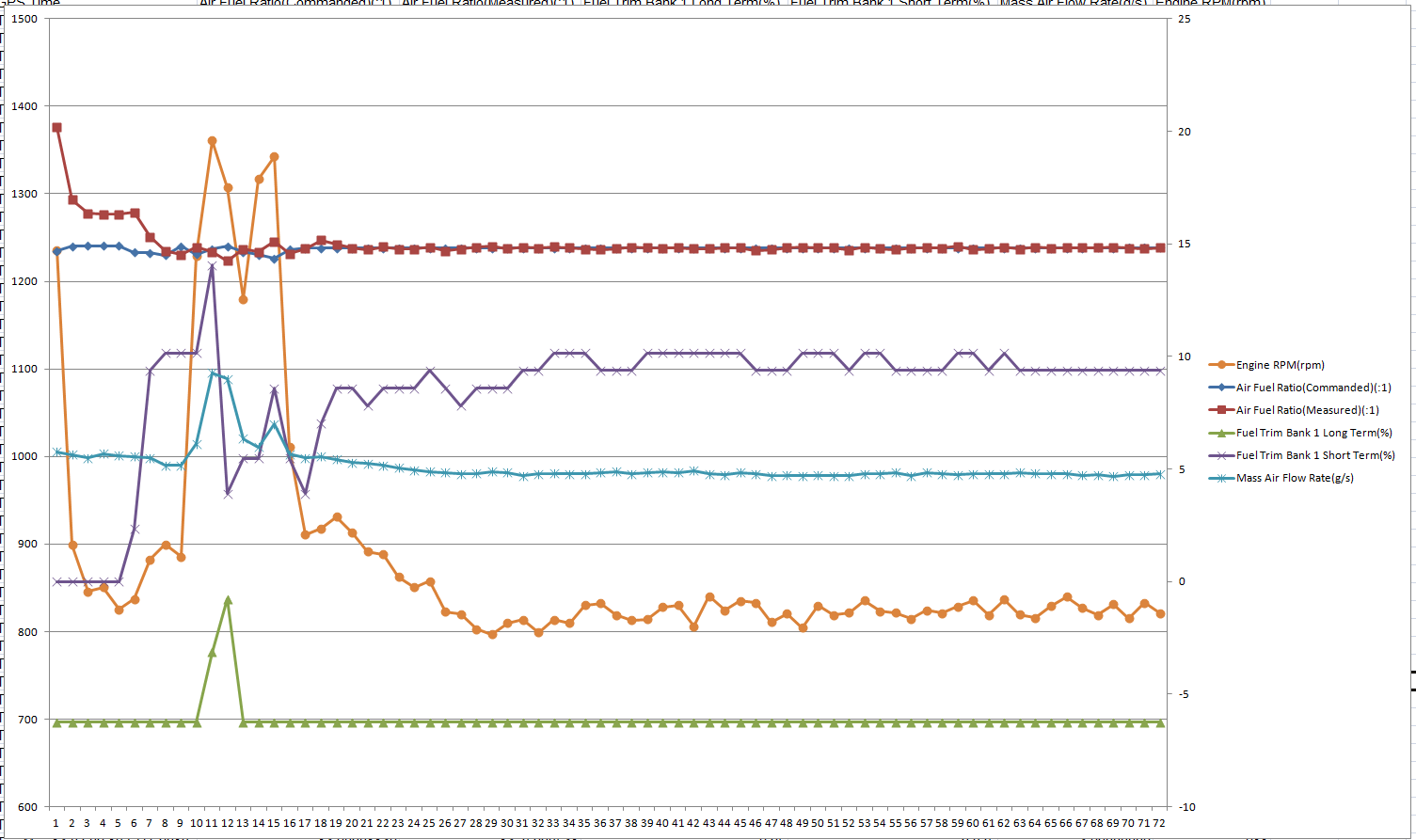
Wideband O2 Sensor Voltage Chart

Standard O2 Sensor Voltage
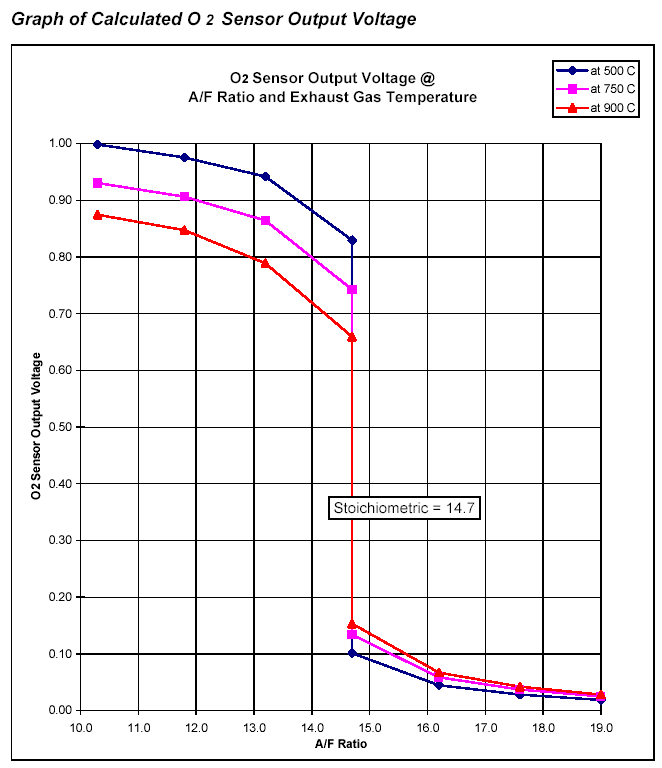
Normal O2 Sensor Voltage Chart
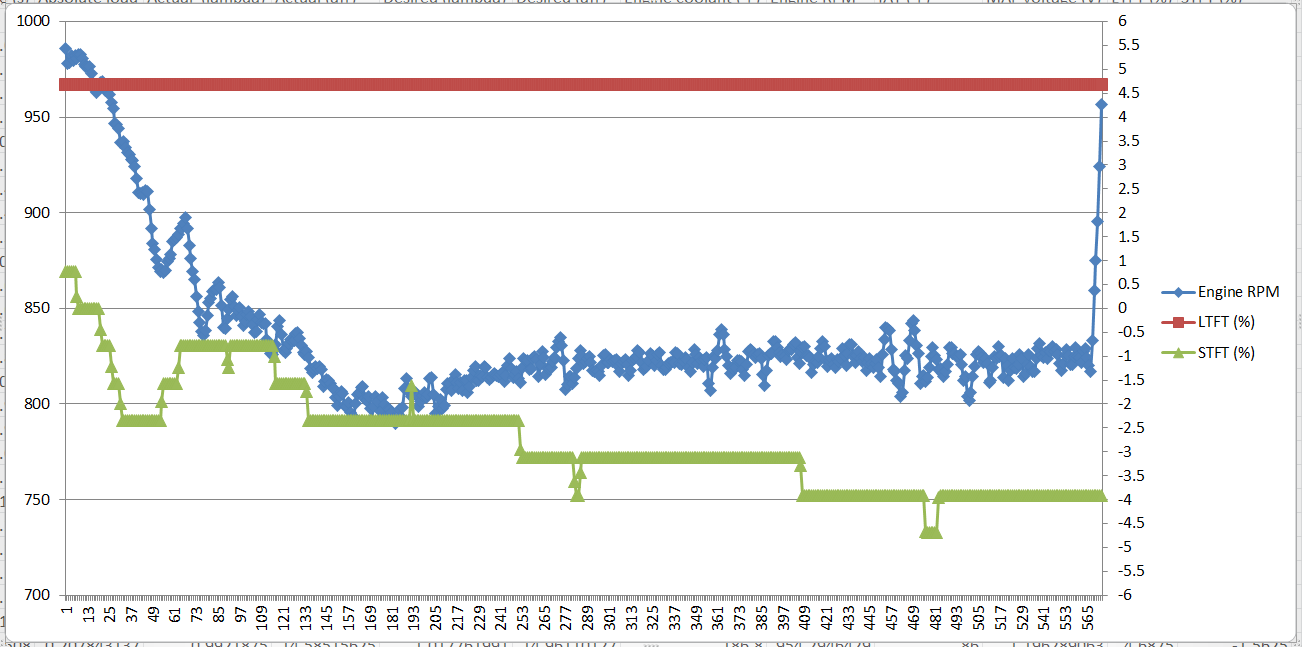
Wideband O2 Sensor Voltage Chart Ponasa

O2 Sensor Output Voltage
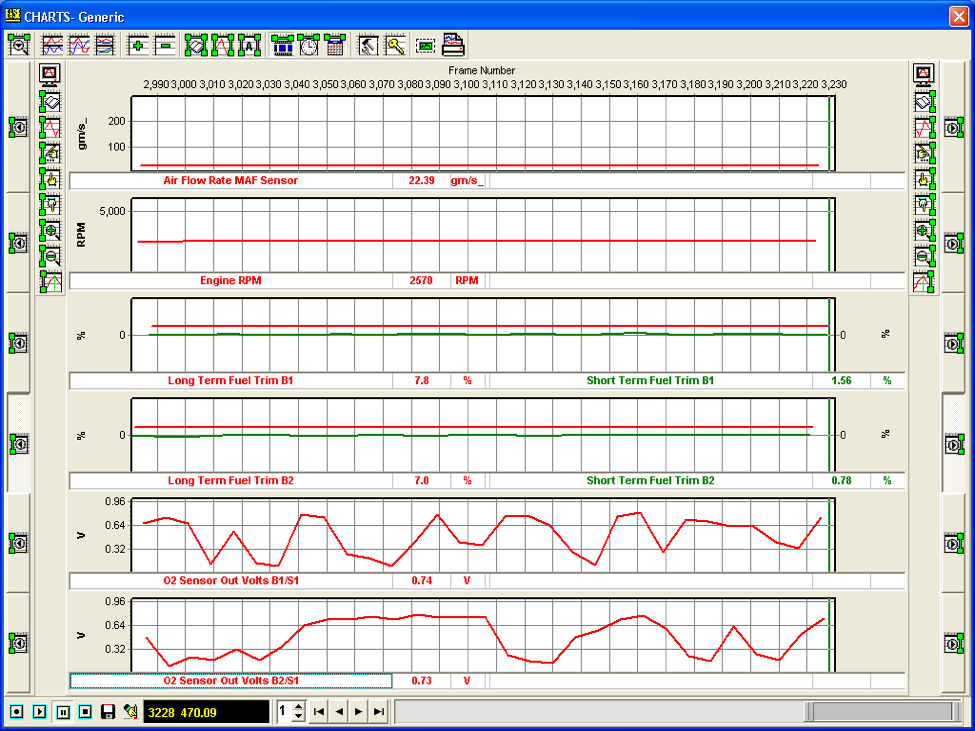
O2 Sensor Voltage Chart
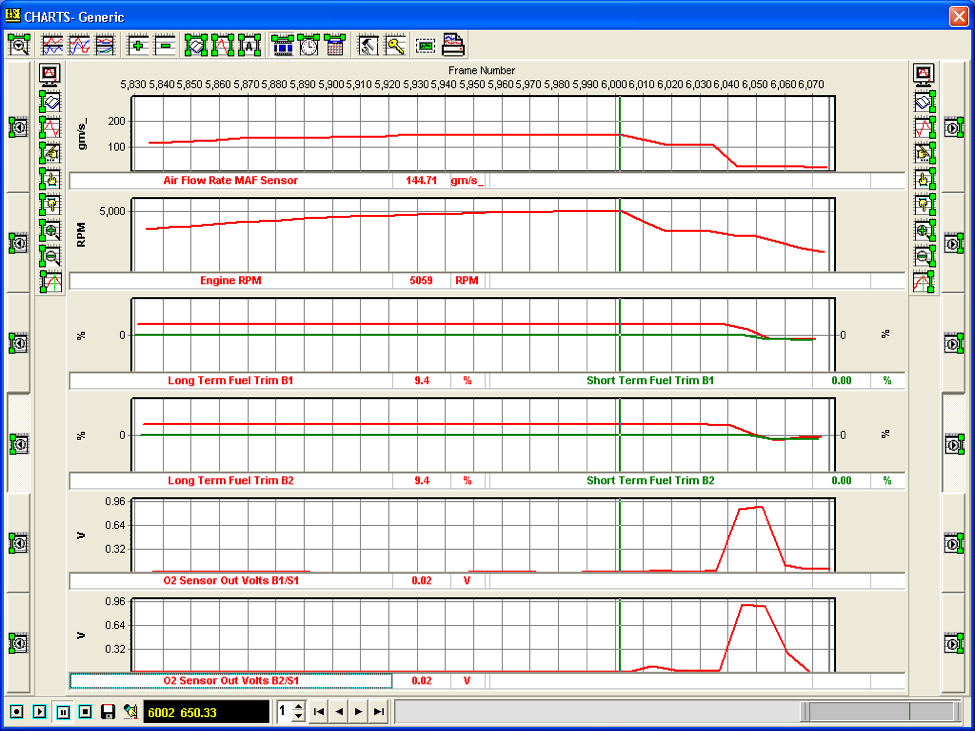
Oxygen Sensor Voltage Chart

O2 Sensor Voltage Chart
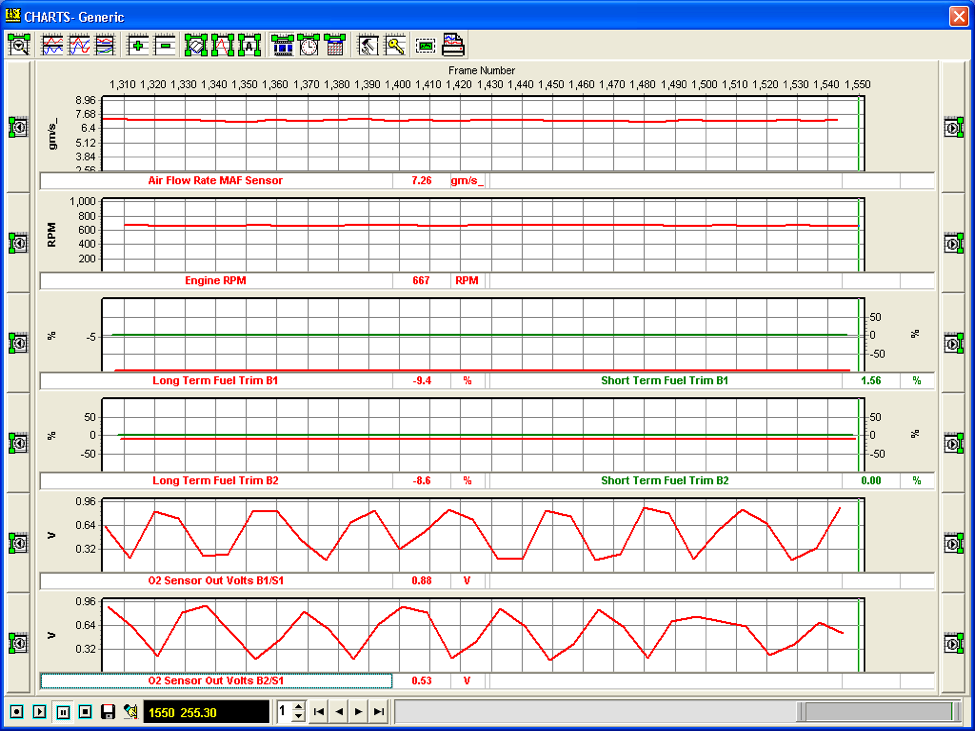
Oxygen Sensor Voltage Codes Part 2 Technician.Academy

What Should O2 Sensor Voltage Be
Learn What An O2 Sensor Does, Why It Fails, And If You Need To Replace Yours.
The Time Taken For The Voltage To Change From 0.1 V To 1.0 V (Referred To As The Lean To Rich Response Time) Should Be About 300 Milliseconds.
In Case It Is Not Within Range, There Is Either An Engine Problem (Loose Hose) Or The O2 Sensor Is Bad.
One Of The Most Common Bad Oxygen Sensor Symptoms Is A Check Engine Light On Your Dashboard.
Related Post: