
Meat Chart Of A Deer
Meat Chart Of A Deer - On the other hand, an authentic sausage should be succulent. Pronghorn antelope, which is neither a cervid nor a bovid, also falls under the term venison. Here we will compare them against the beef cuts, which will help in understanding which are the tougher cuts of meat and where they are located on the carcass. Are you planning on making your own deer sausage this year? It will add flavor and moisture and will help preserve it longer. Live weight = live deer on the hoof. Here’s how to get a. Chest/girth = measure the chest just behind the front legs. Just click on the picture for a larger, clearer view. Web the deer's realistic meat yield is about 58.15 pounds. Here’s how to get a. Then check out the following pages to learn more! Web government agencies recommend cooking venison to an internal temp of 160 degrees. A lot of this meat can be cut into juicy steaks instead of grinding it into hamburger. Web basically, you have four major cuts of meat consisting of the sirloin tip, back loin (back straps), front shoulder, and back ham section. 1 serving of venison loin (54 grams) has 86% protein, 14% fat, 0% carbs and only 81 calories. There’s more to venison than just backstrap, tenderloin and hamburger. Although poor shot placement will ruin meat and reduce yield. Web learn what each cut is best used for with this guide, complete with a venison processing chart and recipe suggestions. This useful formula will help you determine your deer's estimated live weight, field dressed weight, hanging weight and edible meat weight. Web a rural hawke’s bay group is collaborating with a butcher in hastings to prevent the wastage of meat during the culling of rampant feral deer population on farms. Here we will compare them against the beef cuts, which will help in understanding which are the tougher cuts of meat and where they are located on the carcass. Web in. Web the deer's realistic meat yield is about 58.15 pounds. When preserving, consider adding pork fat to ground, processed meat. Web comparing venison meat cuts to beef cuts. Although poor shot placement will ruin meat and reduce yield. Web this illustrated deer meat guide shows the different cuts of venison harvested from a deer. The average mature northern doe will typically weigh 105 to 120 pounds field dressed. Web here are 8 charts and pictures showing the various cuts of deer. Web comparing venison meat cuts to beef cuts. Web venison cut charts with detailed instructions, photos and advice on processing venison. Just click on the picture for a larger, clearer view. There’s more to venison than just backstrap, tenderloin and hamburger. Pronghorn antelope, which is neither a cervid nor a bovid, also falls under the term venison. Their tenderness and shape yields excellent steaks, and every hunter should know how to properly handle them. How to use this chart: Web get the most out of your deer harvest by learning all. The back ham portion of the deer includes the top round, bottom round, sirloin, and eye round. Web the deer's realistic meat yield is about 58.15 pounds. Web get the most out of your deer harvest by learning all the meat cuts & the best use for each with this guide, processing chart, & recipe suggestions. This article examines the. Because waste can vary between deer, we suggest using the realistic figure as a gauge. Then check out the following pages to learn more! Web here are 8 charts and pictures showing the various cuts of deer. From tenderloin to shanks, chef david bancroft of acre and bow & arrow is here to unravel the best ways to prepare venison.. Web this illustrated deer meat guide shows the different cuts of venison harvested from a deer. Web interactive deer processing/butchering cuts chart. Web the chart below will help you estimate your deer's live weight, field dressed weight and also edible meat weight. Their tenderness and shape yields excellent steaks, and every hunter should know how to properly handle them. Web. Chest/girth = measure the chest just behind the front legs. When preserving, consider adding pork fat to ground, processed meat. This useful formula will help you determine your deer's estimated live weight, field dressed weight, hanging weight and edible meat weight. It will add flavor and moisture and will help preserve it longer. Because waste can vary between deer, we. Web venison, the lean and flavorful meat from deer, is becoming increasingly popular among meat enthusiasts. Web venison cut charts with detailed instructions, photos and advice on processing venison. Web here are 8 charts and pictures showing the various cuts of deer. On the other hand, an authentic sausage should be succulent. Are you planning on making your own deer. Web here are 8 charts and pictures showing the various cuts of deer. From tenderloin to shanks, chef david bancroft of acre and bow & arrow is here to unravel the best ways to prepare venison. Web a rural hawke’s bay group is collaborating with a butcher in hastings to prevent the wastage of meat during the culling of rampant. The back ham portion of the deer includes the top round, bottom round, sirloin, and eye round. Web learn what each cut is best used for with this guide, complete with a venison processing chart and recipe suggestions. How to use this chart: So that’s all species of deer, elk, caribou, moose, and the exotics like nilgai, blackbuck and oryx. Web venison cut charts with detailed instructions, photos and advice on processing venison. Web in this video, you will see seth and scott perkins, the bearded butchers, break down an entire deer carcass and lay each cut out on a diagram.they will begin. Web government agencies recommend cooking venison to an internal temp of 160 degrees. Chest/girth = measure the chest just behind the front legs. Web here are 8 charts and pictures showing the various cuts of deer. In the above example, the buck's realistic meat yield would range form 58 to 68 pounds. Web comparing venison meat cuts to beef cuts. Web backstraps from elk, deer, and antelope are some of the most prized wild game cuts. Fat is fundamental to creating a juicy product. There’s more to venison than just backstrap, tenderloin and hamburger. Are you planning on making your own deer sausage this year? Web interactive deer processing/butchering cuts chart.
Butcher chart cuts of venison. Printable deer meat cut chart (533054
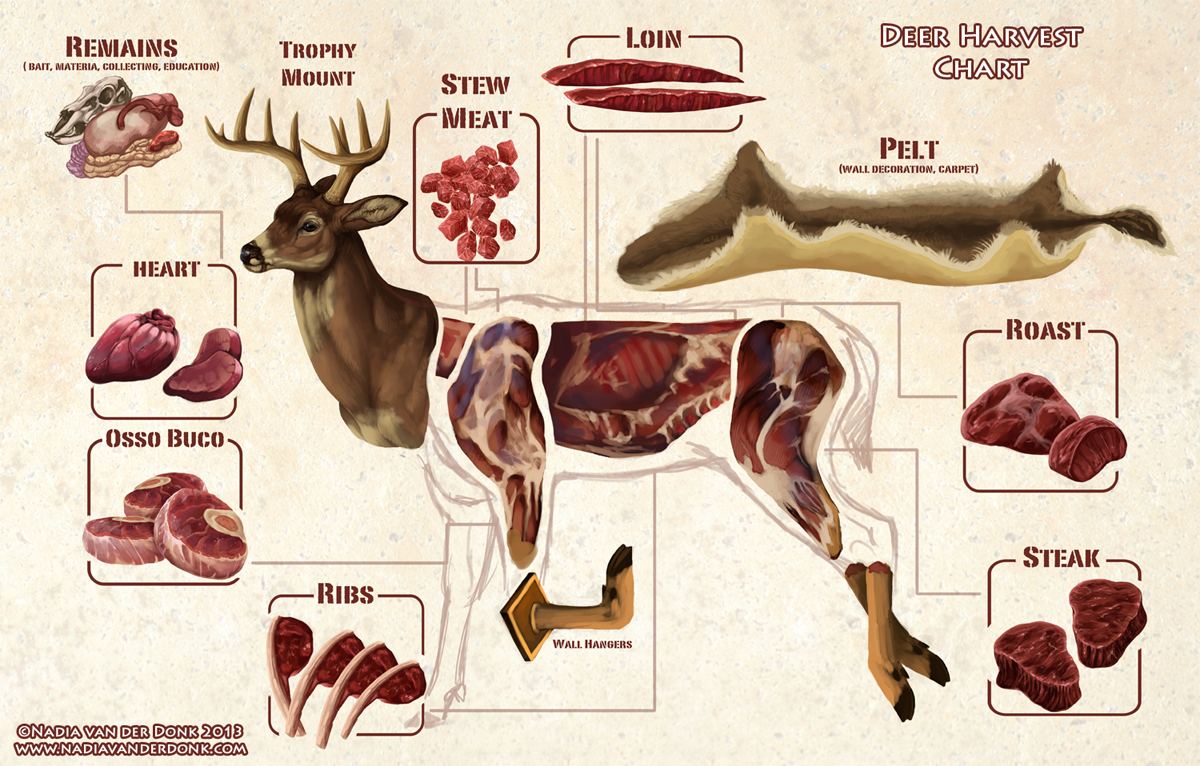
The Ultimate Deer Harvest Chart
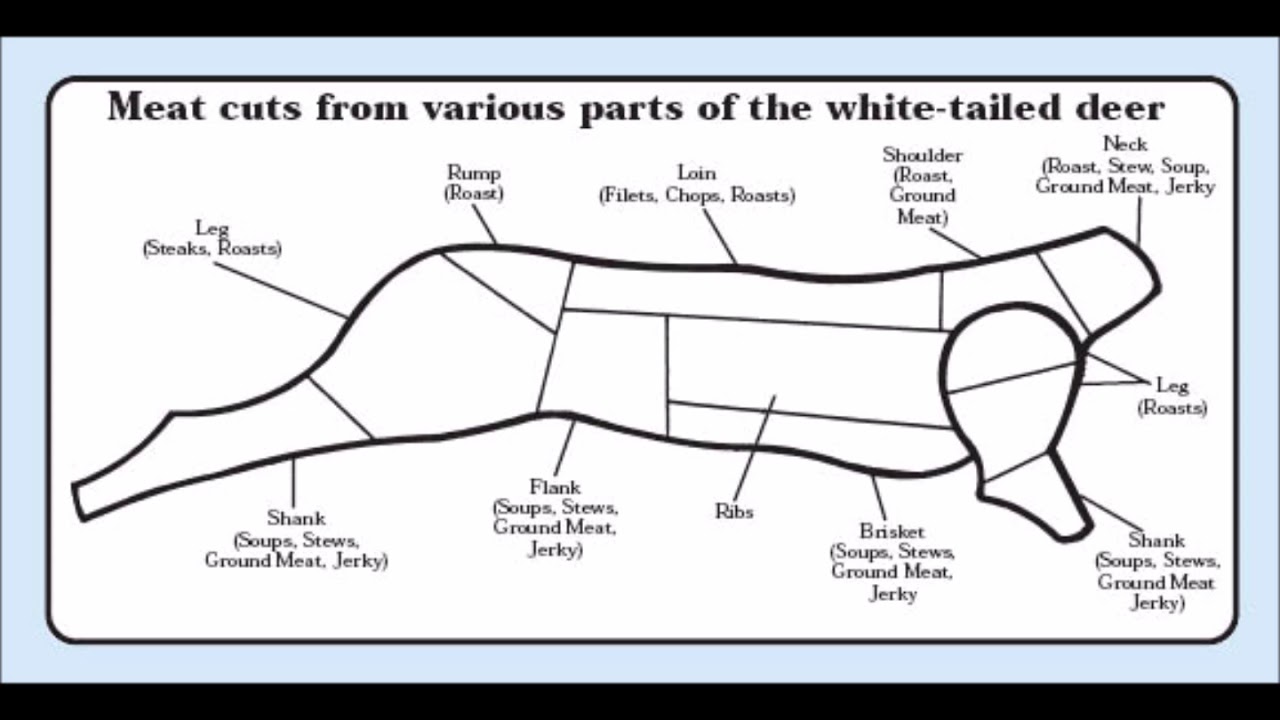
White Tail deer Meat Cuts Chart YouTube

Butchering Chart For Deer

Deer Butcher Chart
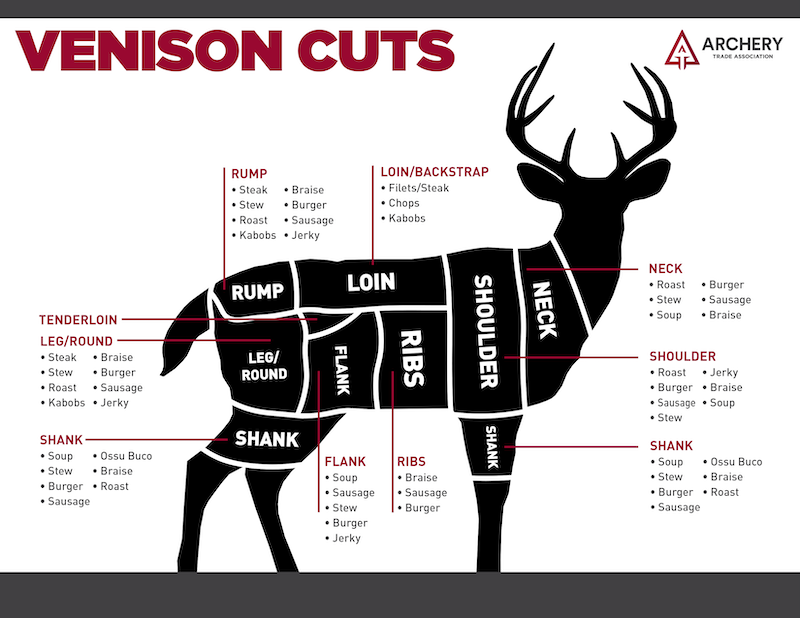
Venison Meat Cuts Chart

Meat Cuts Venison Chart
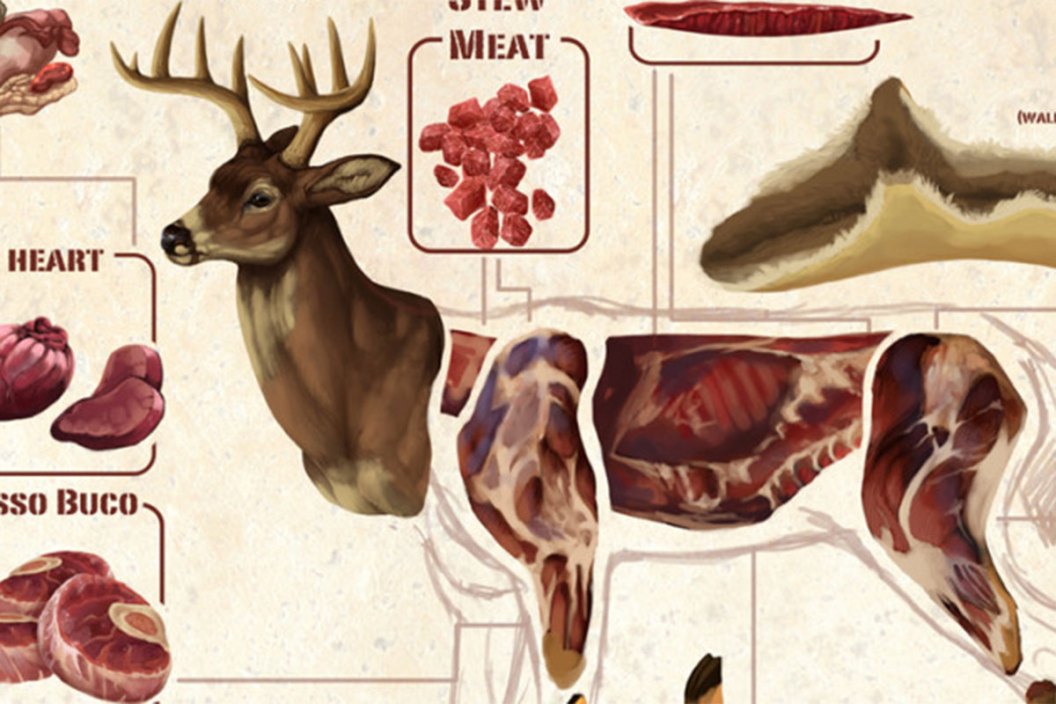
Deer Meat Guide All the Most Common Deer Cuts and Parts Wide Open Spaces
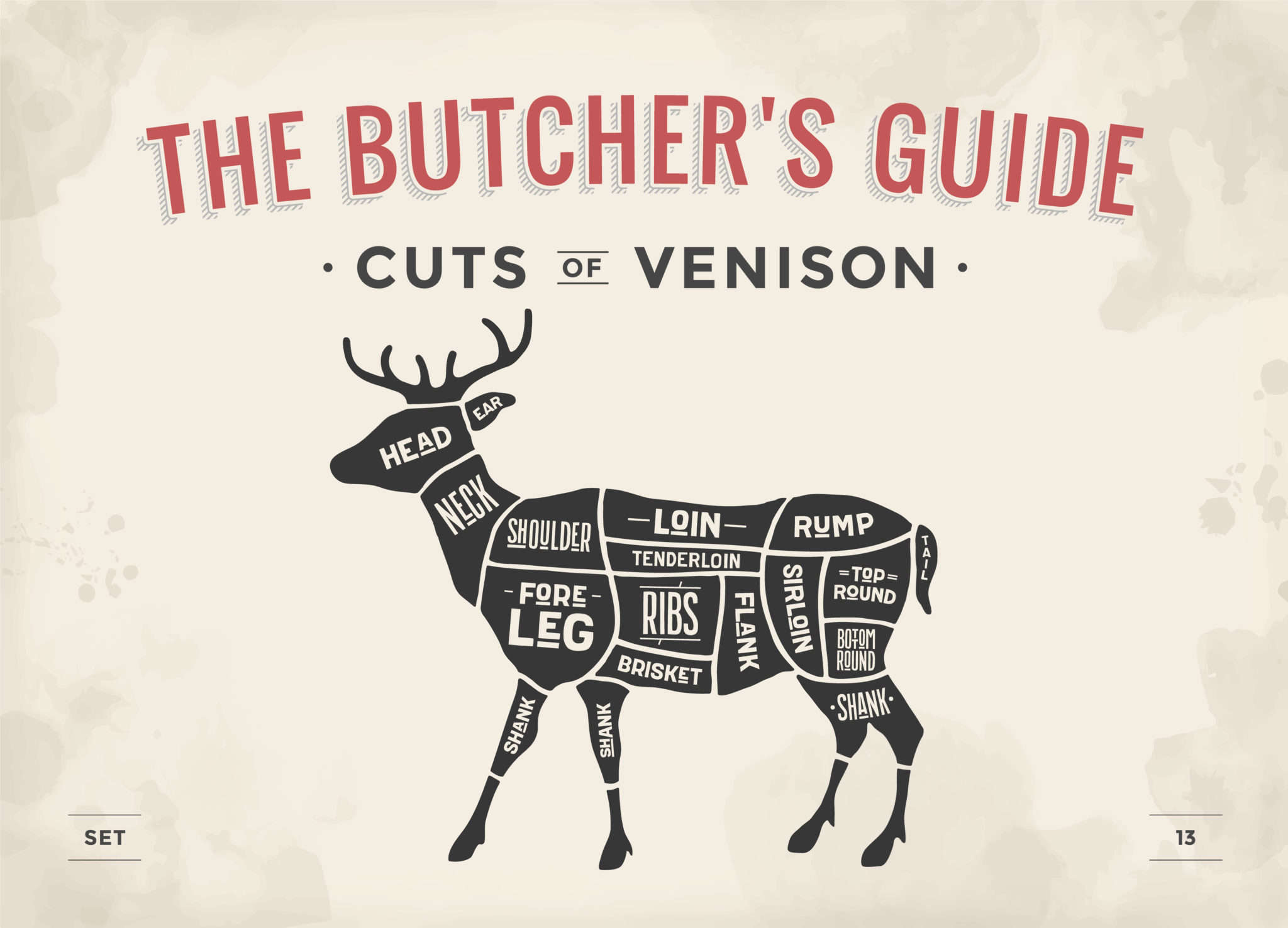
Butcher Chart For Deer

Butcher chart cuts of venison. Printable deer meat cut chart (533054
Live Weight = Live Deer On The Hoof.
Web Get The Most Out Of Your Deer Harvest By Learning All The Meat Cuts & The Best Use For Each With This Guide, Processing Chart, & Recipe Suggestions.
Web Basically, You Have Four Major Cuts Of Meat Consisting Of The Sirloin Tip, Back Loin (Back Straps), Front Shoulder, And Back Ham Section.
The Average Mature Northern Doe Will Typically Weigh 105 To 120 Pounds Field Dressed.
Related Post: