
Peds Teeth Chart
Peds Teeth Chart - The two lower front teeth. Web this tooth eruption chart shows when your baby’s primary teeth (also called baby teeth or deciduous teeth) will erupt (come in) and fall out (shed). Web children’s teeth begin forming in the jaw structure prior to birth. A baby teeth chart shows you when each of your little one’s first set of teeth — known as primary teeth, baby teeth, or deciduous teeth — is. Eruption times vary from child to child. However, the exact timing may vary depending on the child. 7 facts parents should know. Monitor your baby's emerging teeth and anticipate the arrival of your kid's next permanent tooth. The baby tooth eruption chart and table below show the positions of baby teeth,. As early as 4 months of age, the first primary teeth to erupt through the gums are usually the lower central. Web a detailed reference guide covers tooth structure, anticipatory guidance, management of oral infection and pain, dental trauma, tooth injury, fracture, oral soft tissue trauma,. Web each one of us is typically born with 20 baby teeth and 32 adult teeth. Teeth vary in size, shape and their location in the jaws. Web most children will have their entire set of 20 baby teeth by the time they reach three years of age. Monitor your baby's emerging teeth and anticipate the arrival of your kid's next permanent tooth. For many babies, the bottom front teeth (also known as lower central incisors) appear first, at around 6 to 12 months, although some babies get their first teeth even earlier than 6 months. Web your child’s 20 baby teeth will begin to appear usually between six and nine months, although some children have them come in earlier or later. It’s also normal for the top front teeth (or upper central incisors) to come in on the same schedule, at around 8 to 12 months. Web the following chart shows when your child's primary teeth (also called baby teeth or deciduous teeth) should erupt and shed. The chart shows the period children start to lose their primary teeth between six and seven years. Web a periodontal chart, or simply dental chart, serves as an instrument for the pediatric dentist to note information and organize the data about the health of your kid’s. Web each one of us is typically born with 20 baby teeth and 32 adult teeth. The baby tooth eruption chart and table below show the positions of baby teeth,. Web. Web a detailed reference guide covers tooth structure, anticipatory guidance, management of oral infection and pain, dental trauma, tooth injury, fracture, oral soft tissue trauma,. How to help teething symptoms without medications. Eruption times vary from child to child. The two lower front teeth. Web permanent teeth eruption chart. Web learn to track your child's tooth eruption using a dental chart. Teeth vary in size, shape and their location in the jaws. Read to find out when they erupt, how to care for them, and answers to common questions. It’s also normal for the top front teeth (or upper central incisors) to come in on the same schedule, at. Web this tooth eruption chart shows when your baby’s primary teeth (also called baby teeth or deciduous teeth) will erupt (come in) and fall out (shed). How to help teething symptoms without medications. Web most children will have their entire set of 20 baby teeth by the time they reach three years of age. Teeth vary in size, shape and. 7 facts parents should know. A baby teeth chart shows you when each of your little one’s first set of teeth — known as primary teeth, baby teeth, or deciduous teeth — is. Web this tooth eruption chart shows when your baby’s primary teeth (also called baby teeth or deciduous teeth) will erupt (come in) and fall out (shed). Teeth. Web the left hand side of this chart will show you when the baby teeth will come in during the first two years. As early as 4 months of age, the first primary teeth to erupt through the gums are usually the lower central. The chart shows the period children start to lose their primary teeth between six and seven. Read to find out when they erupt, how to care for them, and answers to common questions. For many babies, the bottom front teeth (also known as lower central incisors) appear first, at around 6 to 12 months, although some babies get their first teeth even earlier than 6 months. If your baby is teething, you can use this chart. Read to find out when they erupt, how to care for them, and answers to common questions. Web each one of us is typically born with 20 baby teeth and 32 adult teeth. If your baby is teething, you can use this chart to determine which tooth. Web permanent teeth eruption chart. Web this tooth eruption chart shows when your. Web learn to track your child's tooth eruption using a dental chart. Teeth vary in size, shape and their location in the jaws. It’s also normal for the top front teeth (or upper central incisors) to come in on the same schedule, at around 8 to 12 months. Web most children will have their entire set of 20 baby teeth. Web most children will have their entire set of 20 baby teeth by the time they reach three years of age. How to help teething symptoms without medications. As early as 4 months of age, the first primary teeth to erupt through the gums are usually the lower central. Learn more about the differences with primary and permanent teeth structures.. Web learn to track your child's tooth eruption using a dental chart. Learn more about the differences with primary and permanent teeth structures. Web children’s teeth begin forming in the jaw structure prior to birth. Web a detailed reference guide covers tooth structure, anticipatory guidance, management of oral infection and pain, dental trauma, tooth injury, fracture, oral soft tissue trauma,. Web your child’s 20 baby teeth will begin to appear usually between six and nine months, although some children have them come in earlier or later. The chart shows the period children start to lose their primary teeth between six and seven years. Teeth vary in size, shape and their location in the jaws. Eruption times vary from child to child. Web when baby teeth typically come in. How to help teething symptoms without medications. A baby teeth chart shows you when each of your little one’s first set of teeth — known as primary teeth, baby teeth, or deciduous teeth — is. It’s also normal for the top front teeth (or upper central incisors) to come in on the same schedule, at around 8 to 12 months. Monitor your baby's emerging teeth and anticipate the arrival of your kid's next permanent tooth. Web the following chart shows when your child's primary teeth (also called baby teeth or deciduous teeth) should erupt and shed. Web baby teeth chart. The two lower front teeth.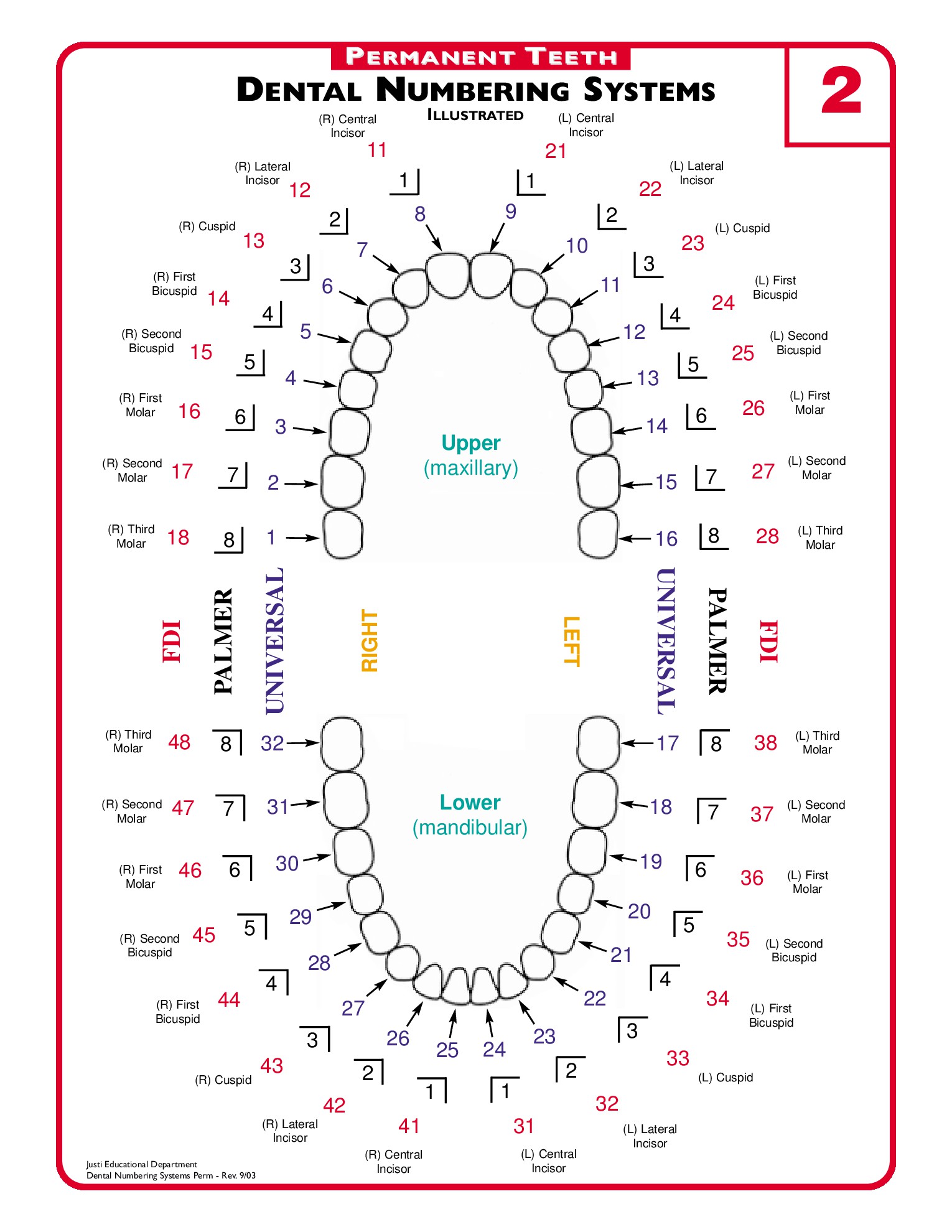
Printable Tooth Chart With Numbers
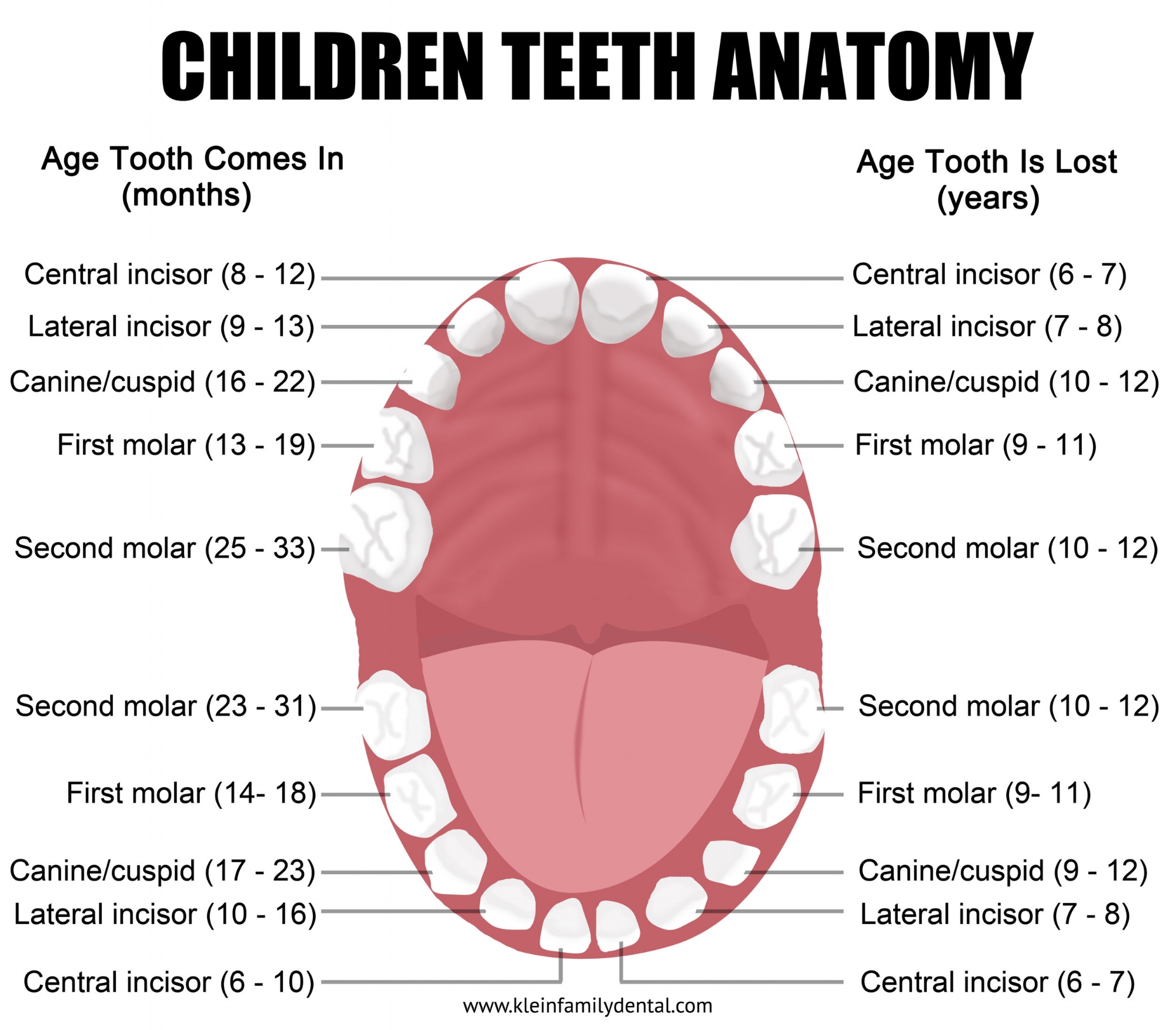
Pediatric Tooth Chart — Klein Family Dental
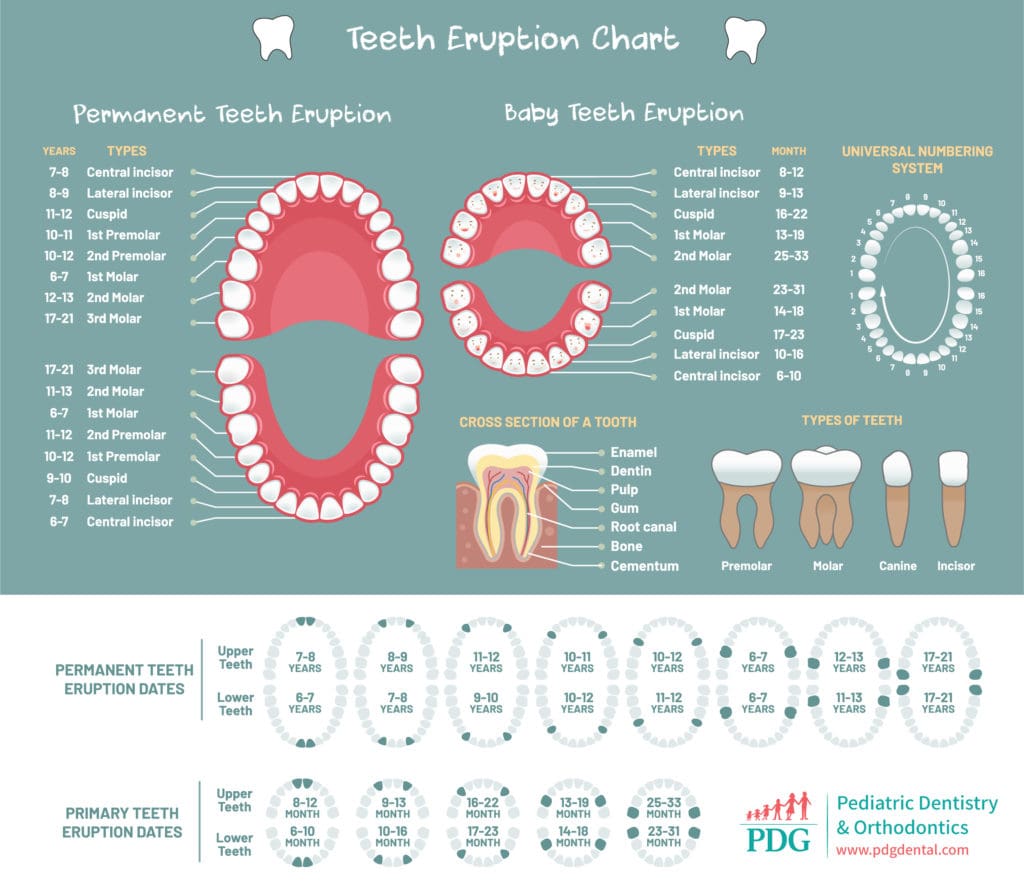
All About Baby Teeth PDG Dental Pediatric Dentistry & Orthodontics
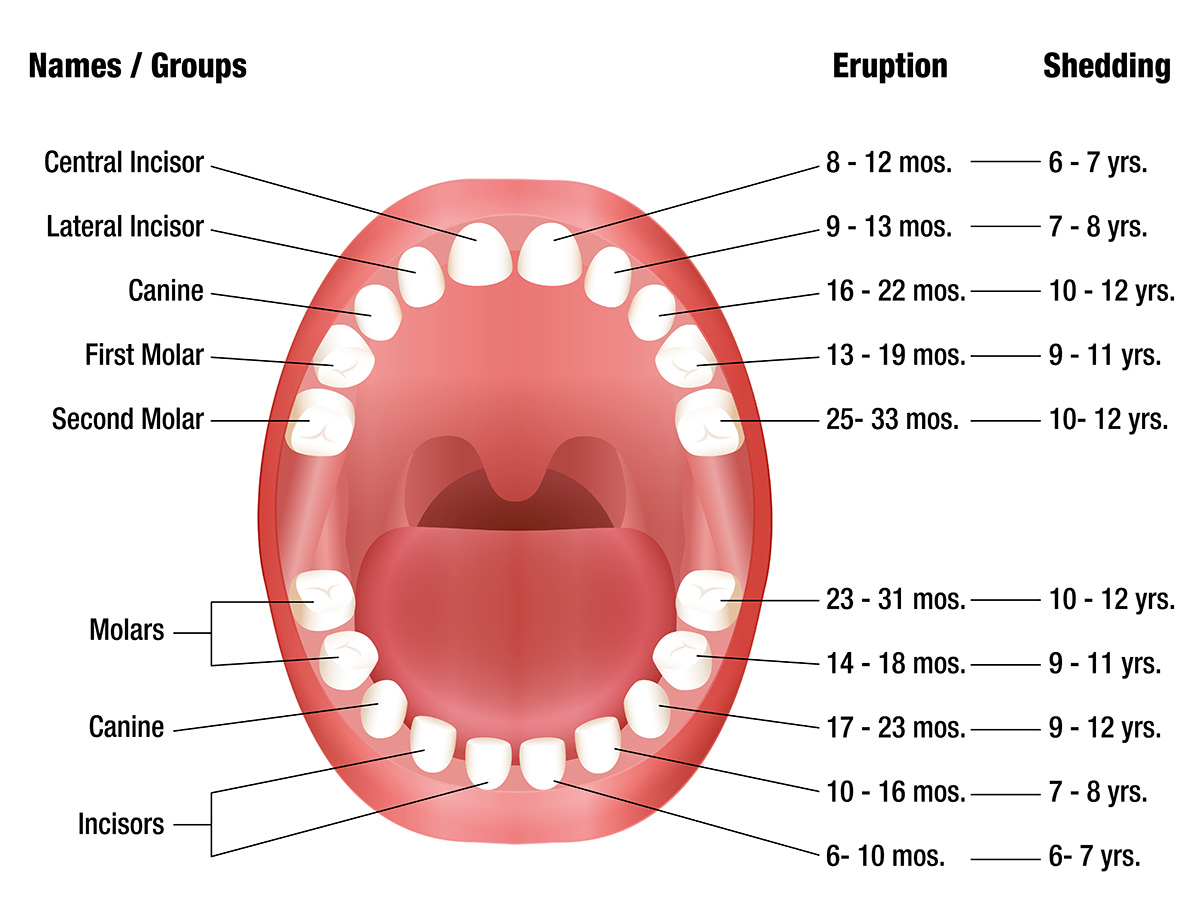
Pediatric Tooth Eruption Chart
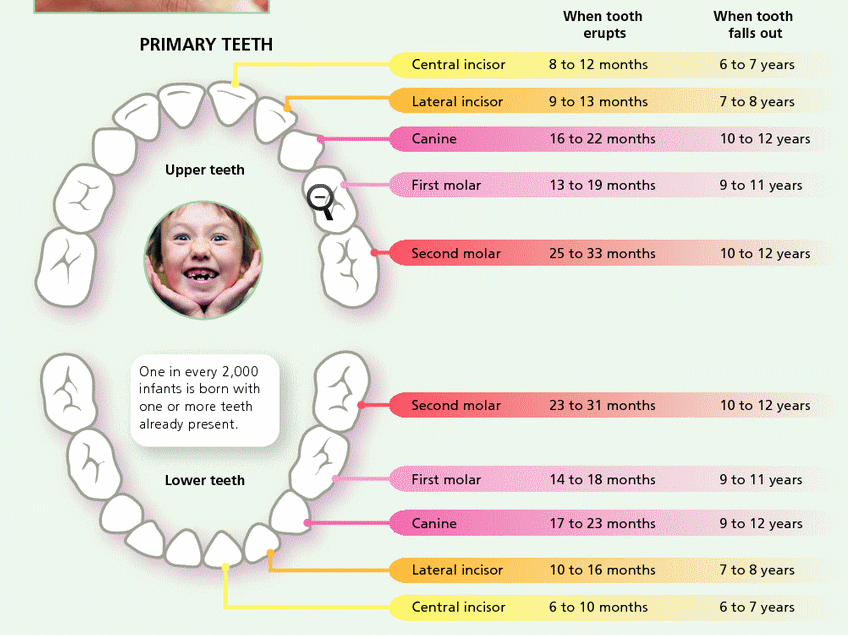
Pediatric Dentistry blog by Dr. Umar Imtiaz Here is a Primary (BABY

Printable Tooth Numbering Chart tooth numbering chart for kids
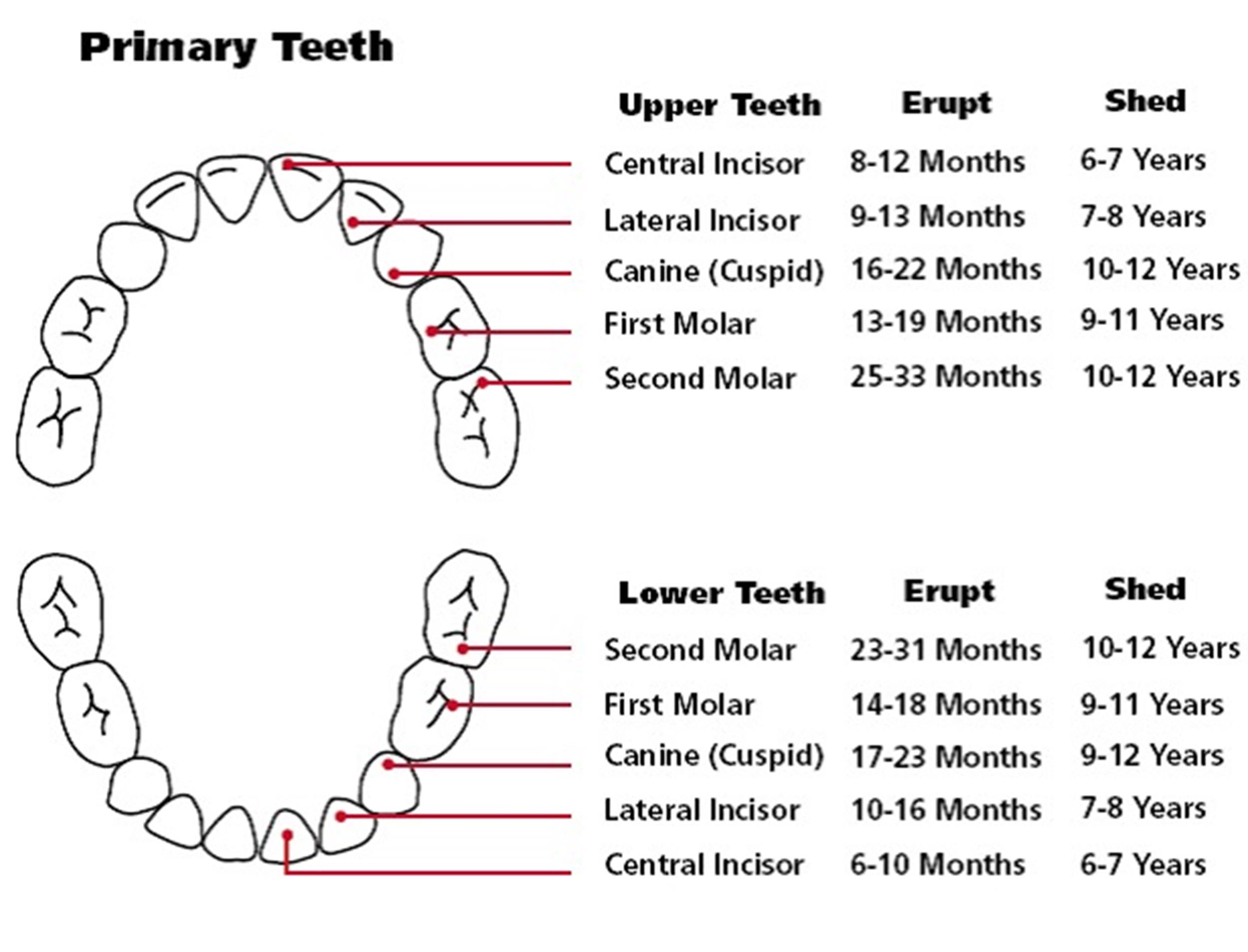
38 Printable Baby Teeth Charts & Timelines Template Lab

Pediatric Dentistry Durban's Best Dentist

Dental Chart Children Dental care for kids, Tooth chart, Teeth anatomy

Pediatric Tooth Eruption Chart
Tooth Chart, Free Baby Tooth Chart, Baby Tooth Chart, Dental Tooth Chart, Tooth.
If Your Baby Is Teething, You Can Use This Chart To Determine Which Tooth.
Web The American Academy Of Pediatric Dentistry (Aapd) Tooth Chart.
Read To Find Out When They Erupt, How To Care For Them, And Answers To Common Questions.
Related Post: