
Risk Of Chromosomal Abnormalities By Age Chart
Risk Of Chromosomal Abnormalities By Age Chart - Web the incidence of aneuploidies increased exponentially with maternal age ( p <0.0001). Web the overall risk of having a baby with a chromosome abnormality is small. Total risk for any chromosome abnormalities. Web risk of down’s syndrome and chromosomal abnormalities at live birth, according to maternal age. Risks of having a baby with submicroscopic chromosomal. The chance of having a child with down syndrome increases over time. Web advanced maternal age increases fertility challenges, risk of complications, and chromosomal abnormalities. The table below shows the correlation of maternal age (mother's age) and the potential risk of human genetic abnormalities in children. Web * this table includes only chromosomal abnormalities that can be detected by standard chromosomal testing. Web the risk of fetal aneuploidy rises with increasing maternal age. Web the risk of fetal aneuploidy rises with increasing maternal age. The calculator below calculates the theoretical risk for down syndrome and chromosome abnormalities in multiple gestations.*. The chance of having a child affected by down syndrome increases from about 1 in 1,250 for a woman who. Web risk of all chromosomal abnormalities: This is because errors in meiosis may be more likely to happen as a result. The risk is about 1 in 1,250 for a woman. Web this practice bulletin has been revised to further clarify methods of screening for fetal chromosomal abnormalities, including expanded information regarding the use of cell. But as you age, the risk of having a baby with missing, damaged, or extra chromosomes increases. Web abnormality in multiple gestation*. Australian average maternal age change the first column shows maternal age, the second column shows the. Trisomy 21 and trisomy 18 can happen at any age. The calculator below calculates the theoretical risk for down syndrome and chromosome abnormalities in multiple gestations.*. Aneuploid eggs and embryos are also. But as you age, the risk of having a baby with missing, damaged, or extra chromosomes increases. Enter the age of the mother at the time of delivery: Web * this table includes only chromosomal abnormalities that can be detected by standard chromosomal testing. Web risk of all chromosomal abnormalities: However, successful pregnancies are possible with. Web home > calculators > risk for chromosome abnormalities at term. Because fetal aneuploidy can affect any pregnancy, all pregnant women should be offered screening. Web this practice bulletin has been revised to further clarify methods of screening for fetal chromosomal abnormalities, including expanded information regarding the use of cell. Risks of having a baby with submicroscopic chromosomal. Web advanced maternal age increases fertility challenges, risk of complications, and chromosomal abnormalities. Data for table modified from hook et al from chromosomal abnormality. Australian average maternal. Web the risk of fetal aneuploidy rises with increasing maternal age. Enter the age of the mother at the time of delivery: Web * this table includes only chromosomal abnormalities that can be detected by standard chromosomal testing. Australian average maternal age change the first column shows maternal age, the second column shows the. Web chance of chromosome differences based. Web the risk of fetal aneuploidy rises with increasing maternal age. Web a retrospective cohort analysis using a large u.s. Aneuploid eggs and embryos are also. Web the overall risk of having a baby with a chromosome abnormality is small. Web risk of all chromosomal abnormalities: The risk is about 1 in 1,250 for a woman. The chance of having a child with down syndrome increases over time. Web chance of chromosome differences based on age. This is because errors in meiosis may be more likely to happen as a result. Web the risk of fetal aneuploidy rises with increasing maternal age. Because fetal aneuploidy can affect any pregnancy, all pregnant women should be offered screening. The chance of having a child affected by down syndrome increases from about 1 in 1,250 for a woman who. Web the main cause of increased risk for miscarriage in “older” women is increased rates of chromosomal abnormalities in their eggs. Web risk of down’s syndrome. The table below shows the correlation of maternal age (mother's age) and the potential risk of human genetic abnormalities in children. Web risk of down’s syndrome and chromosomal abnormalities at live birth, according to maternal age. Web the incidence of aneuploidies increased exponentially with maternal age ( p <0.0001). Web the overall risk of having a baby with a chromosome. This is because errors in meiosis may be more likely to happen as a result. Risks of having a baby with submicroscopic chromosomal. Data for table modified from hook et al from chromosomal abnormality. The risk is about 1 in 1,250 for a woman. But as you age, the risk of having a baby with missing, damaged, or extra chromosomes. Web a woman age 35 years or older is at higher risk of having a baby with a chromosomal abnormality. Web a retrospective cohort analysis using a large u.s. Enter the age of the mother at the time of delivery: Web chance of chromosome differences based on age. Risks of having a baby with submicroscopic chromosomal. Web the overall risk of having a baby with a chromosome abnormality is small. Web chance of chromosome differences based on age. Web a woman age 35 years or older is at higher risk of having a baby with a chromosomal abnormality. Web this practice bulletin has been revised to further clarify methods of screening for fetal chromosomal abnormalities, including expanded information regarding the use of cell. Web abnormality in multiple gestation*. Data for table modified from hook et al from chromosomal abnormality. Web the risk of fetal aneuploidy rises with increasing maternal age. Enter the age of the mother at the time of delivery: Aneuploid eggs and embryos are also. Web the risk of chromosomal abnormality increases with maternal age. Web risk of down’s syndrome and chromosomal abnormalities at live birth, according to maternal age. Enter the age of the mother at the time of delivery: The calculator below calculates the theoretical risk for down syndrome and chromosome abnormalities in multiple gestations.*. This is because errors in meiosis may be more likely to happen as a result. In particular, the risk of trisomy 21 (standard error [se], 0.0378; Web the incidence of aneuploidies increased exponentially with maternal age ( p <0.0001).
The Chromosomal and Genomic Basis of Disease Thompson & Thompson

Table 1 from Maternal agespecific rates of fetal chromosomal

Risk Of Chromosomal Abnormalities By Maternal Age Chart

Relationship between the incidence of clinically significant

Risk Of Chromosomal Abnormalities By Age Chart

Counseling Understanding Your DNA
![[PDF] Maternal agespecific rates of fetal chromosomal abnormalities in](https://d3i71xaburhd42.cloudfront.net/40dc865e8a4a02ff343d3419dff05fdf3c610199/4-Table2-1.png)
[PDF] Maternal agespecific rates of fetal chromosomal abnormalities in
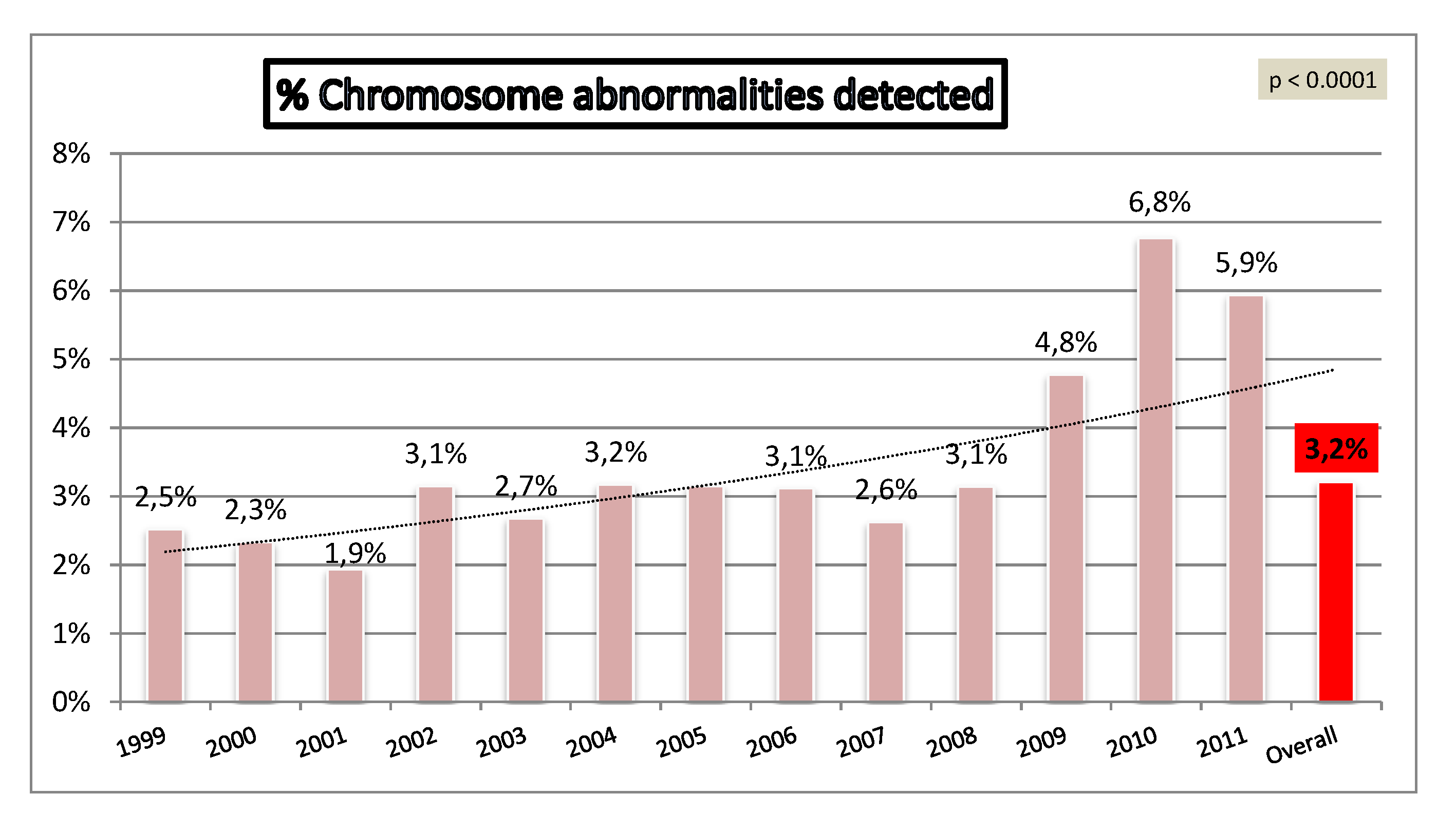
Risk Of Chromosomal Abnormalities By Age Chart

Risk Of Chromosomal Abnormalities By Age Chart
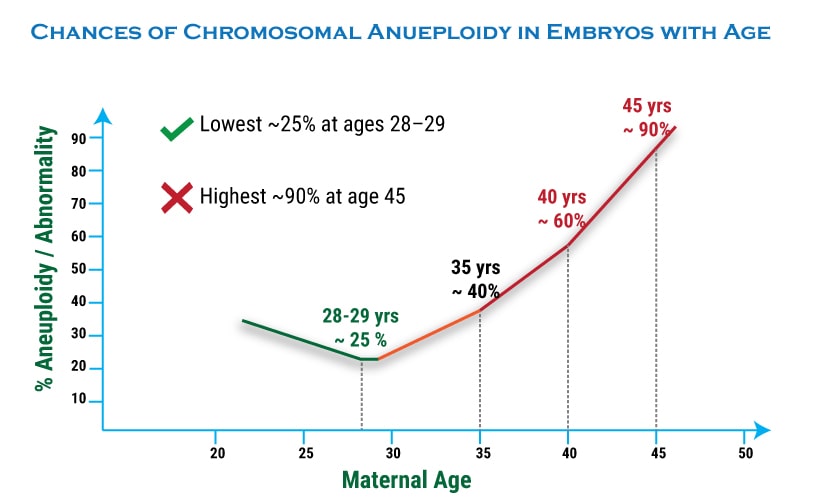
Risk Of Chromosomal Abnormalities By Maternal Age Chart
Trisomy 21 And Trisomy 18 Can Happen At Any Age.
Web The Risk For Chromosome Problems Increases With The Mother's Age.
Because Fetal Aneuploidy Can Affect Any Pregnancy, All Pregnant Women Should Be Offered Screening.
Australian Average Maternal Age Change The First Column Shows Maternal Age, The Second Column Shows The.
Related Post: