
Scuba Diving Depth Chart
Scuba Diving Depth Chart - Also on this table is: By using this calculator, you can accurately calculate your maximum dive times and depths based on various factors such as your dive experience, nitrogen levels, and more. Here are the mod formula and a cheat sheet. Dive tables are used to determine how long you can safely stay under water at a given depth, both for the initial dive and for subsequent dives. Dive tables should be properly maintained, cleaned, and replaced if damaged. The purpose of these tables is to provide crucial depth and time information to divers, allowing them to calculate safe ascent profiles, factor in surface intervals, and execute safety stops. But diving isn’t only about depth. For example, you round a dive to 13 meters (43 feet) up to a 15 meter (50 foot) dive. Web a maximum operating depth (mod) is a depth limit based on the percentage of oxygen in a scuba diver's tank. Web according to the padi certifying agency, if you are doing your open water course and you are over 12 years old, you can dive to 18 meters/60 feet depth. Light also drops as you descend, the water preventing the sun’s rays from getting to you. For example, you round a dive to 13 meters (43 feet) up to a 15 meter (50 foot) dive. Using the recreation dive planner table. By understanding how to read a diving chart, divers can better plan their dives and avoid dangerous situations. The following article will be using the diving science and technology recreational dive planner. Web dive planning is a critical aspect of scuba diving, and the dive table calculator simplifies this process for you. Dive tables should be properly maintained, cleaned, and replaced if damaged. For the example, we will use 80 feet. They determine the maximum safe dive time at certain depths by considering factors such as depth, bottom time, and surface intervals. How to properly use this product, consult. The theoretical ocean depth enables you to use standard dive tables, such as the recreational dive planner (rdp), to correctly plan your altitude dives. Web the depths in the table range from 12 meters (40 feet) to 40 meters (130 feet) and increase in increments of 3 meters (10 feet). Web a maximum operating depth (mod) is a depth limit. For example, you round a dive to 13 meters (43 feet) up to a 15 meter (50 foot) dive. But how deep you can dive depends on which scuba diving organisation you train with and the level of certification you reach. Use the exact or the next greater number listed in the table for your time. For the example, we. In this section we explain dive tables and go through specific examples of repetitive dives, using both the padi and the naui tables. Choose the total depth of the dive. The purpose of these tables is to provide crucial depth and time information to divers, allowing them to calculate safe ascent profiles, factor in surface intervals, and execute safety stops.. Web diver’s use of padi dive tables enables them to plan their underwater journeys more precisely. This allows for some margin of error. Dive tables should be properly maintained, cleaned, and replaced if damaged. Light also drops as you descend, the water preventing the sun’s rays from getting to you. The purpose of these tables is to provide crucial depth. If you are still a junior (from 10 to 12 years old), the maximum depth is 12 meters/40 feet. Web dive tables serve as a guide for divers to know how long they could stay under at a particular depth, how long surface intervals should be, and how to calculate the amount of residual nitrogen in the blood after a. The purpose of these tables is to provide crucial depth and time information to divers, allowing them to calculate safe ascent profiles, factor in surface intervals, and execute safety stops. By using this calculator, you can accurately calculate your maximum dive times and depths based on various factors such as your dive experience, nitrogen levels, and more. Choose the total. Web diver’s use of padi dive tables enables them to plan their underwater journeys more precisely. Web dive planning is a critical aspect of scuba diving, and the dive table calculator simplifies this process for you. But diving isn’t only about depth. Web a maximum operating depth (mod) is a depth limit based on the percentage of oxygen in a. But how deep you can dive depends on which scuba diving organisation you train with and the level of certification you reach. Web dive tables are essential for divers to plan dives and ensure safety underwater. For the example, we will use 80 feet. Dive tables are used to determine how long you can safely stay under water at a. Limit repetitive dives to 100ft or shallower. By using this calculator, you can accurately calculate your maximum dive times and depths based on various factors such as your dive experience, nitrogen levels, and more. In this blog post, we will outline all the padi dive certification levels and provide a handy flow chart to help you visualize the process. The. By understanding how to read a diving chart, divers can better plan their dives and avoid dangerous situations. In this section we explain dive tables and go through specific examples of repetitive dives, using both the padi and the naui tables. Web a maximum operating depth (mod) is a depth limit based on the percentage of oxygen in a scuba. With experience and the right scuba diving certification, recreational scuba divers can go to 40 metres (131 feet) deep with padi and 50 metres (164 feet) deep with bsac. Total time of first dive. Web if you’re thinking of getting your padi certification, it’s important to know the different levels and what each one entails. We shall choose 25 minutes. Web for the majority of recreational scuba divers the maximum depth you can dive is 40 metres (130 feet), with the exception of bsac divers who can dive to 50 metres (164 feet). Here are the mod formula and a cheat sheet. But how deep you can dive depends on which scuba diving organisation you train with and the level of certification you reach. Web this calculator determines the theoretical ocean depth and suggested safety stop while scuba diving at altitude. Web the depths in the table range from 12 meters (40 feet) to 40 meters (130 feet) and increase in increments of 3 meters (10 feet). Dive tables are used to determine how long you can safely stay under water at a given depth, both for the initial dive and for subsequent dives. They determine the maximum safe dive time at certain depths by considering factors such as depth, bottom time, and surface intervals. But diving isn’t only about depth. Dives to over 30 metres (100 feet) limit your dive time to around 20 minutes before a decompression stop is required. These tables will help you understand how long you can safely stay at a certain depth before needing to ascend and make decompression stops. Choose the total depth of the dive. Use the exact or the next greater number listed in the table for your time.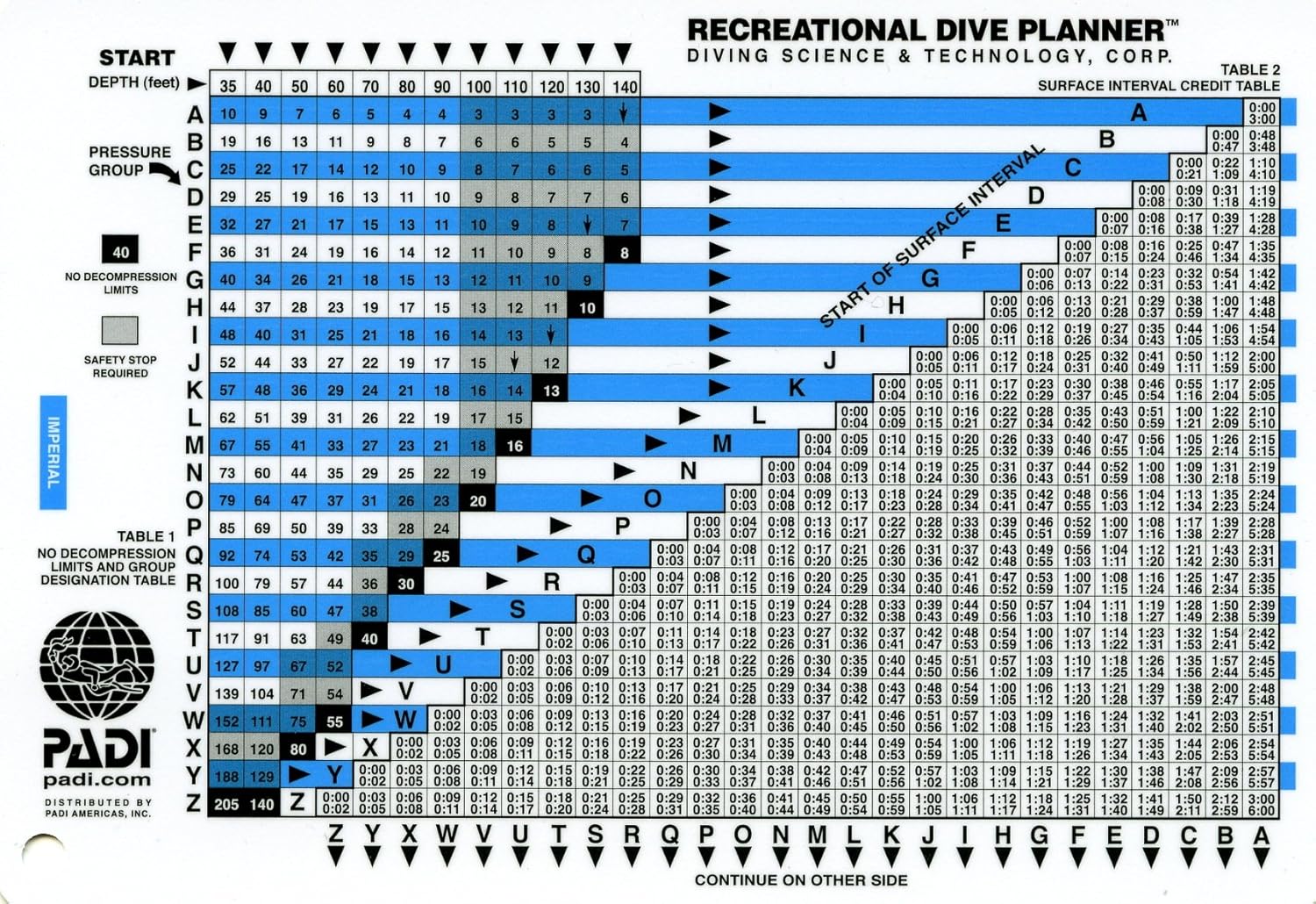
Mastering the Depths A Comprehensive Guide to Using PADI Dive Tables
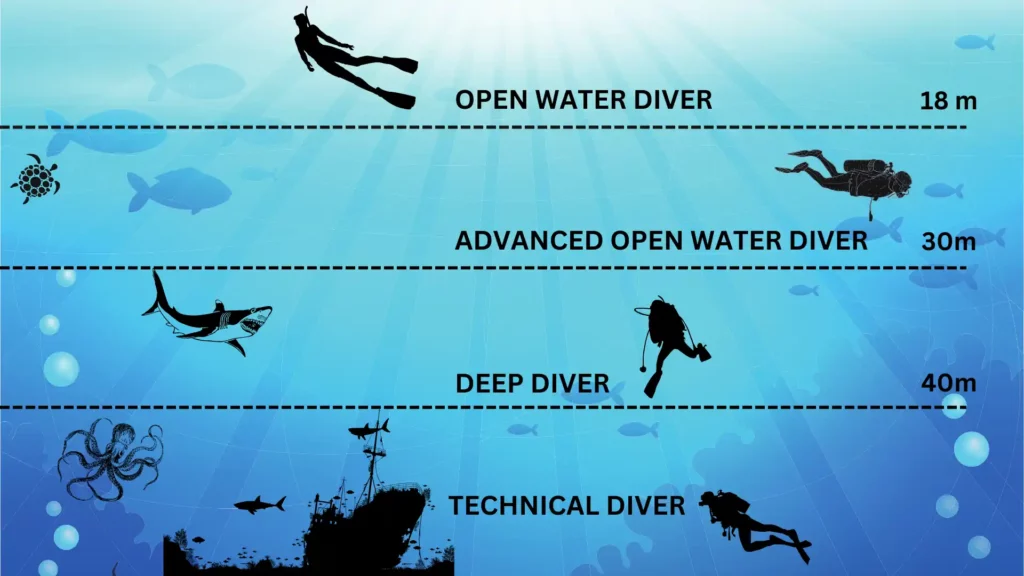
Scuba Diving Depth Chart
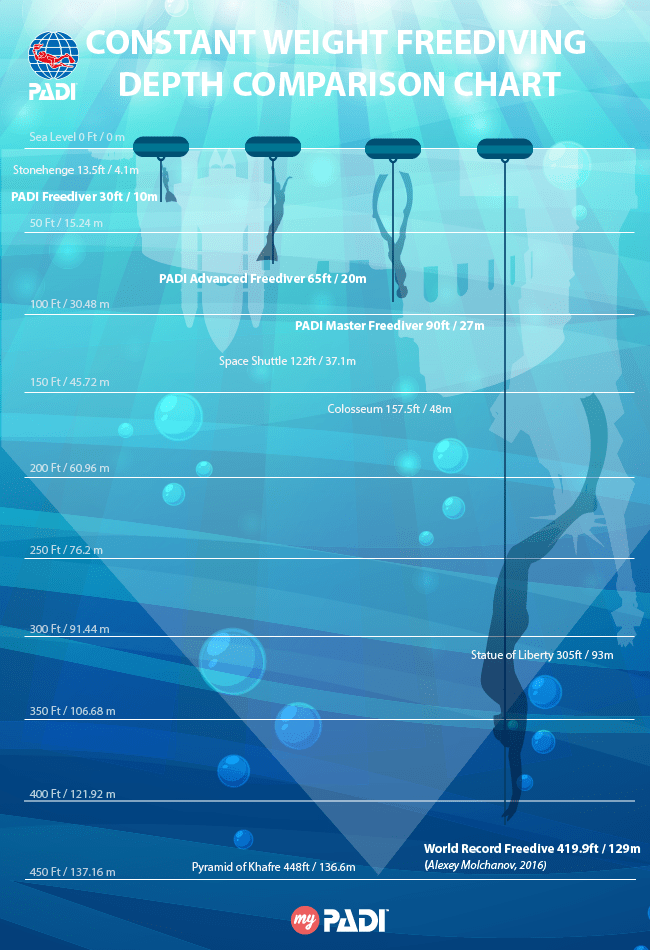
Constant Weight Freediving Depth Comparison Chart

Scuba Diving Depth Chart

Deeper Diver Depth Chart
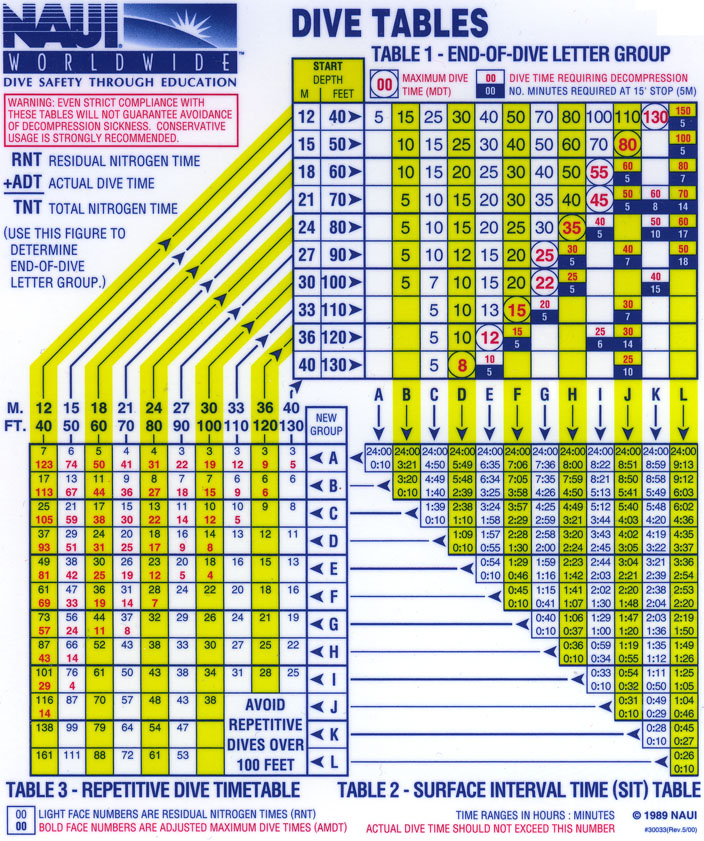
Scuba Diver Info Dive Tables Explained

Diving Depths Printable Infographic, Animal and Infographics
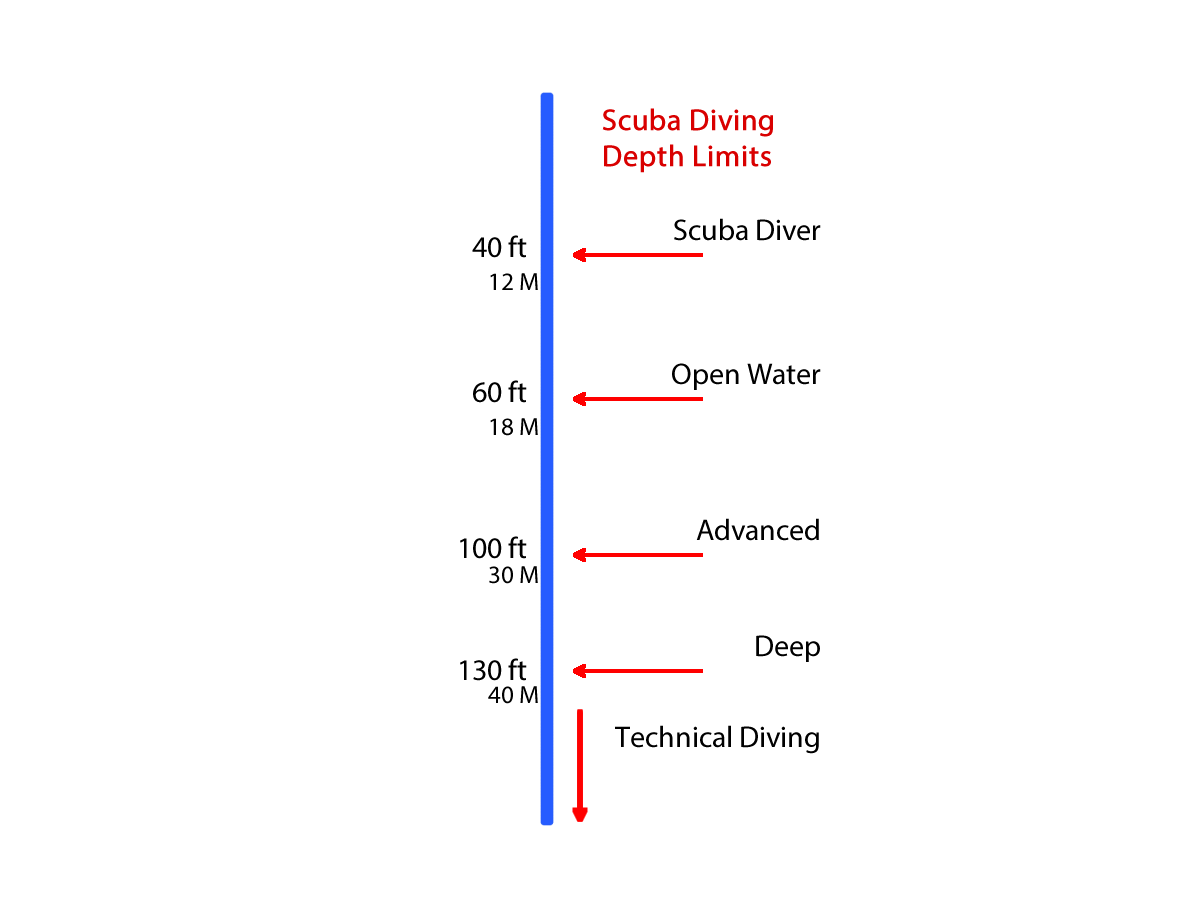
Scuba Diving depth limits My St Kitts Dive Buddy

PADI Dive Level Chart

6 Photos Padi Dive Table And Review Alqu Blog
By Using This Calculator, You Can Accurately Calculate Your Maximum Dive Times And Depths Based On Various Factors Such As Your Dive Experience, Nitrogen Levels, And More.
This Allows For Some Margin Of Error.
The Theoretical Ocean Depth Enables You To Use Standard Dive Tables, Such As The Recreational Dive Planner (Rdp), To Correctly Plan Your Altitude Dives.
Light Also Drops As You Descend, The Water Preventing The Sun’s Rays From Getting To You.
Related Post: