
Vegetable Root Depth Chart
Vegetable Root Depth Chart - Web use the chart below to help you find the root depth of common vegetables and herbs, plan and prep your garden, and determine how deep your raised garden beds or planters should be. Web these drawings illustrate the approximate rooting depth of different types of vegetables. The more squares, the larger the rooting depth and rooting area. Here i have sorted popular vegetables into groups based on rooting depth, and then paired them with gardening methods that can help roots and gardeners do their work more efficiently. If you’re wondering why your plants sometimes aren’t doing very well and you’ve done everything possible, the problem may be they need more root space. Knowing the maximum depth to which your vegetable plants can grow roots is helpful for watering your vegetable plants deeply. Web ideal raised bed depth based on the plants you want to grow. Web the table below lists the working root depth and the maximum/minimum root depth. Web most vegetables fall into two groups: 8″ to 14″ deep for root vegetables such as carrots, radishes. The only exception i have for the depth of containers is grow bags(from amazon) if you want to garden in containers, this is the way to go on your patio. Web to assist your planning here are two charts that might help: Web these drawings illustrate the approximate rooting depth of different types of vegetables. Web a container garden should have depth depending on the plants you grow in it. Web use the chart below to help you find the root depth of common vegetables and herbs, plan and prep your garden, and determine how deep your raised garden beds or planters should be. Web to grow healthy vegetables, your garden will need good soil, plenty of sun, and water. Whether growing in raised beds, or in the ground, it’s important to consider how much space they need beneath. Shallow rooting (18 to 36 inches) medium rooting (36 to 48 inches) deep rooting (more than 48. During cooler seasons, 3⁄4” water/week may suffice. Web the table below lists the working root depth and the maximum/minimum root depth. These considerations are discussed in the guide below, with charts showing the rooting depths needed for different vegetables and the sizes of plants at maturity. Web since gardening containers and planters have bottoms, the soil depth is limited. Web a container garden should have depth depending on the plants you grow in it. Let's look at how deep vegetable plant. 12″ to 16″ for large, fruiting vegetables. Web the table below lists the working root depth and the maximum/minimum root depth. The only exception i have for the depth of containers is grow bags(from amazon) if you want to garden in containers, this is the way to go on your patio. Web use the chart below to help you find. 8″ to 14″ deep for root vegetables such as carrots, radishes. Here i have sorted popular vegetables into groups based on rooting depth, and then paired them with gardening methods that can help roots and gardeners do their work more efficiently. **cultivars listed in the chart represent a few of those recommended. Web most vegetables fall into two groups: The. Web the number of days will vary depending on cultivar (some mature earlier than others), temperature and general growing conditions. If you’re wondering why your plants sometimes aren’t doing very well and you’ve done everything possible, the problem may be they need more root space. One for plant height at maturity, one for rooting depth: Web ideal raised bed depth. In grow bags, the roots have more air circulation and don’t need great depths of soil. Knowing the maximum depth to which your vegetable plants can grow roots is helpful for watering your vegetable plants deeply. 6″ to 8″ deep for leafy vegetables such as spinach, lettuce. These vegetables will do best with longer, less frequent and slow irrigation so. These vegetables will do best with longer, less frequent and slow irrigation so that the. There are many other good cultivars worthy of trial. 12″ to 16″ for large, fruiting vegetables. Web the table below lists the working root depth and the maximum/minimum root depth. Web a container garden should have depth depending on the plants you grow in it. Some vegetables like lettuce have shallow roots and spread out wider than deep. These vegetables will do best with longer, less frequent and slow irrigation so that the. Below which there is not a large amount of root mass, and not much nutrients or water is absorbed. This is particularly important to provide sufficient soil aeration and encourage root growth.. Web ideal raised bed depth based on the plants you want to grow. Here i have sorted popular vegetables into groups based on rooting depth, and then paired them with gardening methods that can help roots and gardeners do their work more efficiently. Whether growing in raised beds, or in the ground, it’s important to consider how much space they. The more squares, the larger the rooting depth and rooting area. **cultivars listed in the chart represent a few of those recommended. Web the table below lists the working root depth and the maximum/minimum root depth. Web the number of days will vary depending on cultivar (some mature earlier than others), temperature and general growing conditions. Deeply watering your vegetable. This is particularly important to provide sufficient soil aeration and encourage root growth. Shallow rooting (18 to 36 inches) medium rooting (36 to 48 inches) deep rooting (more than 48. The more squares, the larger the rooting depth and rooting area. Web indeed, the rooting depths of vegetable crops have important implications for site selection, soil preparation, spacing, and fertilisation. Food value is generally higher per pound than in warm season crops planting time should allow the crop to mature during the cool season root depth is shallow to medium storage is at a cooler temperature and for a longer period than for warm season crops Below which there is not a large amount of root mass, and not much nutrients or water is absorbed. Check catalogues for individual maturity time. Web i think it might help to see just how deep some vegetable roots grow, as the chart below shows. Web here i have sorted popular vegetables into groups based on rooting depth, and then paired them with gardening methods that can help roots and gardeners do their work more efficiently. 12″ to 16″ for large, fruiting vegetables. Web most vegetables fall into two groups: **cultivars listed in the chart represent a few of those recommended. If you’re wondering why some vegetables need deeper soil than others, the answer is their root depth. Web a container garden should have depth depending on the plants you grow in it. Whether growing in raised beds, or in the ground, it’s important to consider how much space they need beneath. The only exception i have for the depth of containers is grow bags(from amazon) if you want to garden in containers, this is the way to go on your patio. Web since gardening containers and planters have bottoms, the soil depth is limited. Let's look at how deep vegetable plant roots grow and how deep a raised bed would therefore need to be to accommodate the root balls of those plants. Understanding the root structure of each plant will help you determine the optimal soil depth for your vegetable garden. One for plant height at maturity, one for rooting depth:Plant Root Depth Chart
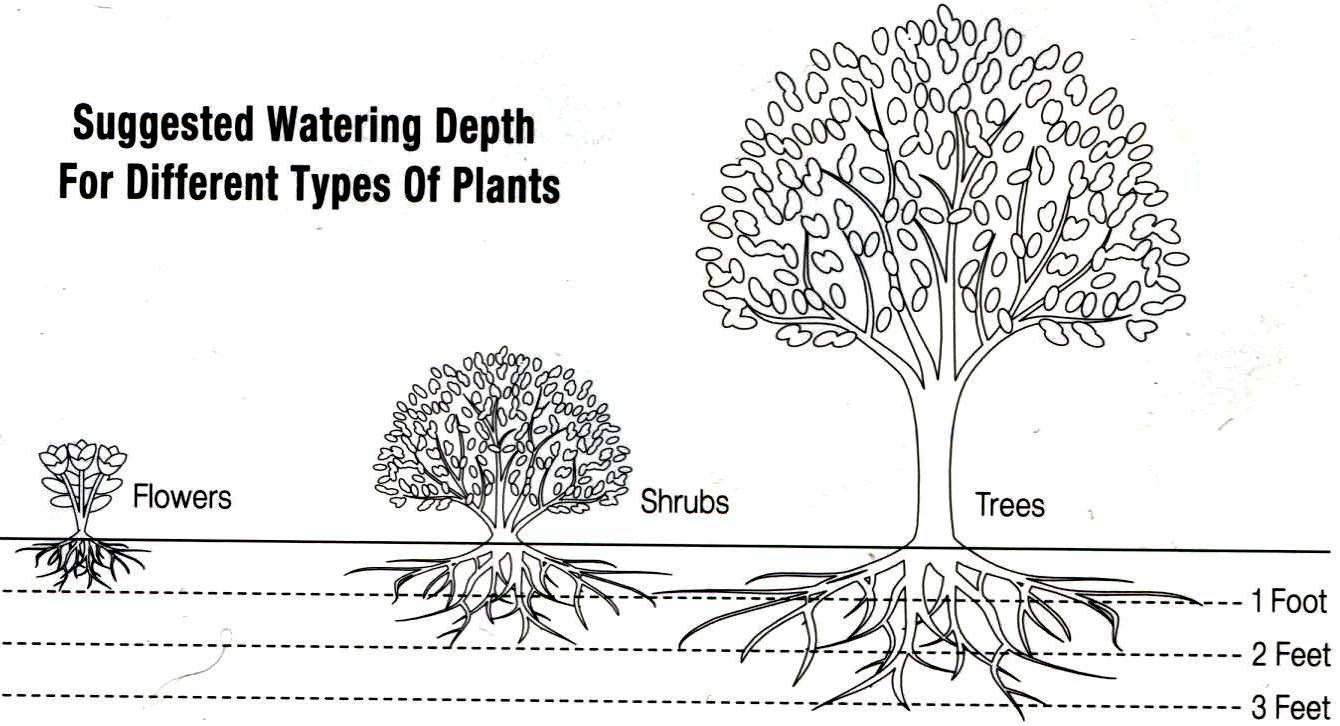
Depth Of Vegetable Roots
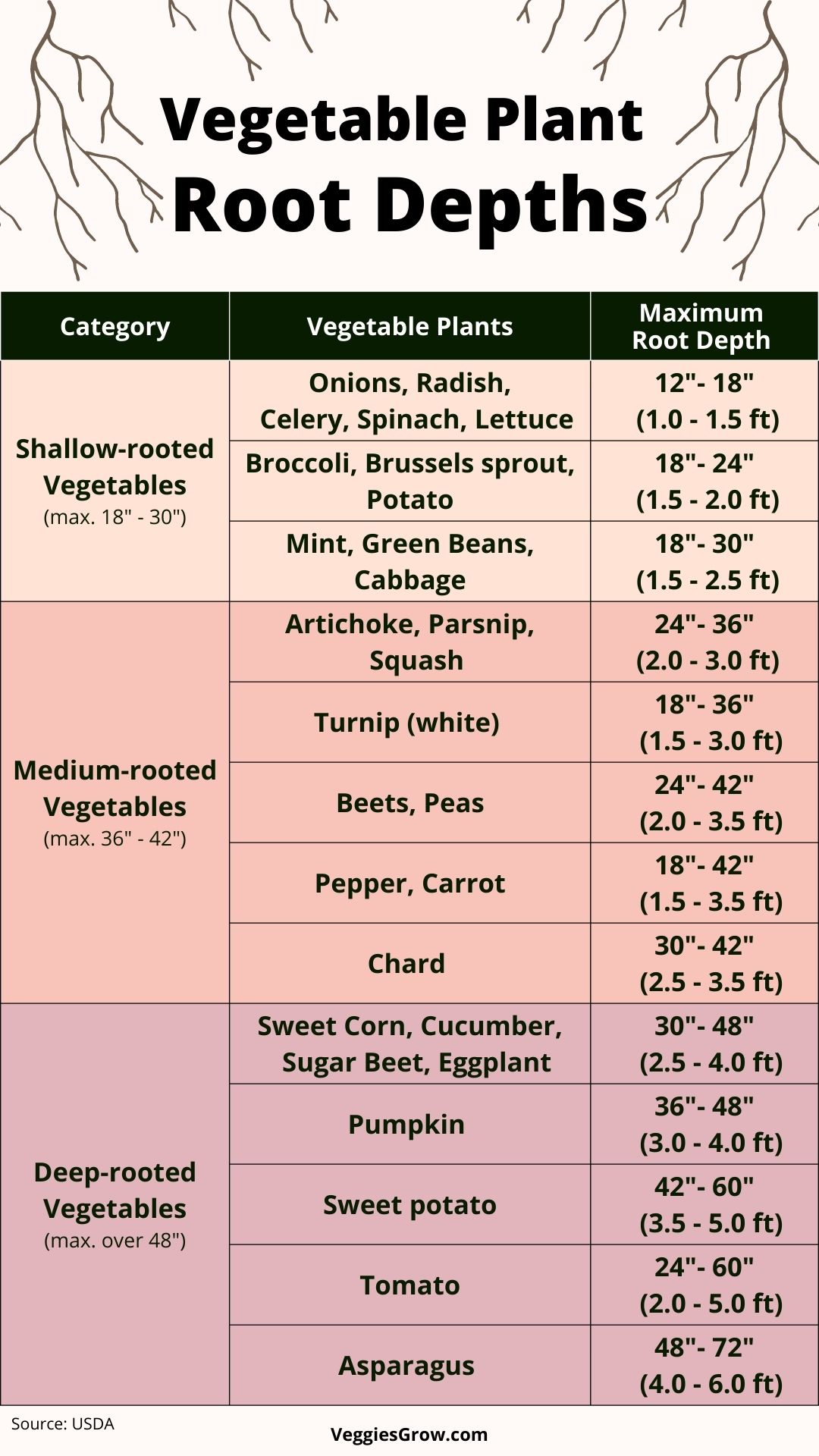
Vegetable Root Depths Find Out How Deep Your Roots Can Grow and Why it

Vegetable Planting Depths And Spacing

Vegetable Root Depth Chart Pdf
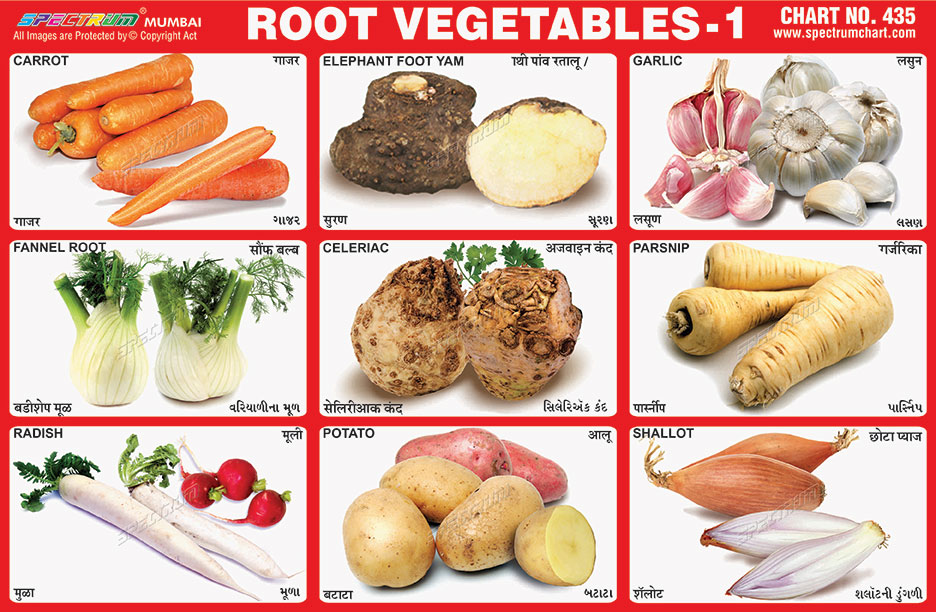
Depth Of Vegetable Roots

Pin by Marquetta Fourman on garden Food garden, Vegetable garden, Veg

Vegetable Plant Root Depth Chart
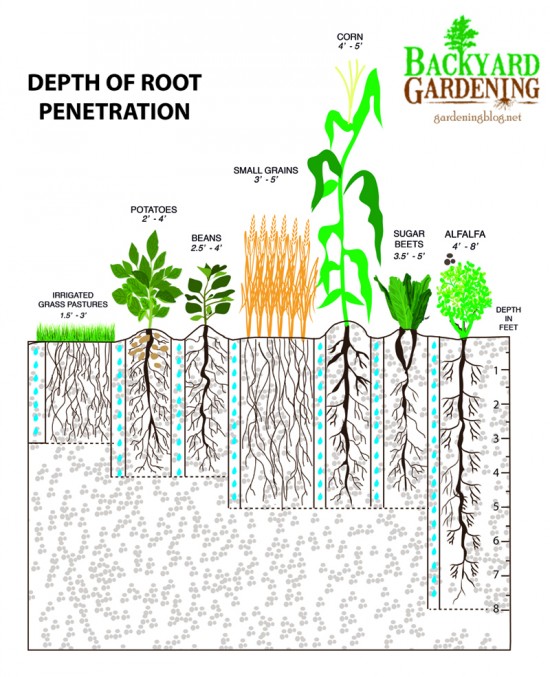
Vegetable Root Depth Chart

Mature Root Depth of Common Vegetables & Reference Table GrowIt BuildIT
Web Get Your Vegetable Root Depth Chart In Pdf Format.
Web To Grow Healthy Vegetables, Your Garden Will Need Good Soil, Plenty Of Sun, And Water.
Deeply Watering Your Vegetable Plants Will Help Them Grow Roots To The Maximum Depth That That Particular Type Of Vegetable Plant Can Grow.
Web Indeed, The Rooting Depths Of Vegetable Crops Have Important Implications For Site Selection, Soil Preparation, Spacing, And Fertilisation Practices.
Related Post: